← Essays

Source Essay

The First Naming of What Is

Hesiod's Theogony is the first systematic cosmogony in the Western tradition — a genealogy of the gods that doubles as a logic of how reality differentiates from primordial openness through grounding and generation. Works and Days preserves the earliest Greek myth of the Five Races, a decline narrative the project reads as testimony about the loss of original participation.


I. Before Philosophy Had a Name
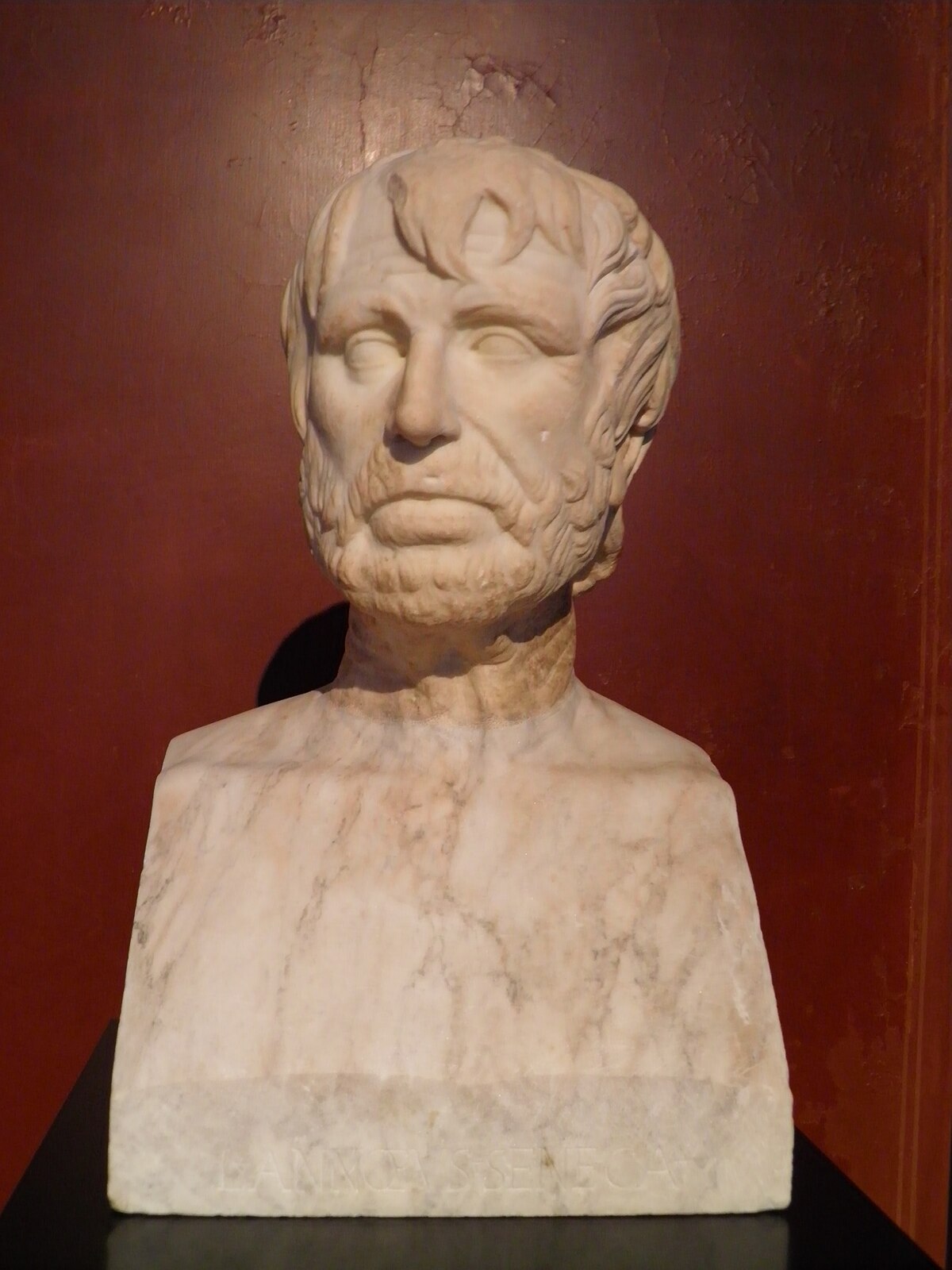
Hesiod portrait (Berlin, Roman copy from Boeotia) — the face of the shepherd who stood at Helicon and gave the Western mind its first cosmogony. From his home region of Boeotia, where the Muses spoke

Somewhere around 700 BCE, a shepherd on Mount Helicon heard the Muses speak. Their first words were a warning: "We know how to say many false things that seem like true things, but we also know, when we wish, how to speak the truth." This is Hesiod's Theogony: not a creation myth in the usual sense, but the first systematic attempt in Greek to name the structure of reality from its origin forward. Before Thales asked what the world is made of, before Parmenides distinguished being from becoming, before Plato constructed his divided line, Hesiod stood at Helicon and gave the Western mind its first cosmogony.

What he produced is not philosophy. It is something the project needs more than philosophy: a direct expression of the consciousness that preceded it. The Theogony does not argue that the world has an intelligible structure. It enacts the structuring. Chaos, then Earth, then Eros, then the successive generations of gods, each emerging from the last through a logic that is generative, the way a plant produces leaf after leaf according to an internal necessity that no leaf contains in isolation. Hesiod names the powers that compose reality. The naming is itself an act of participation in those powers.


II. Chaos Is Not Disorder
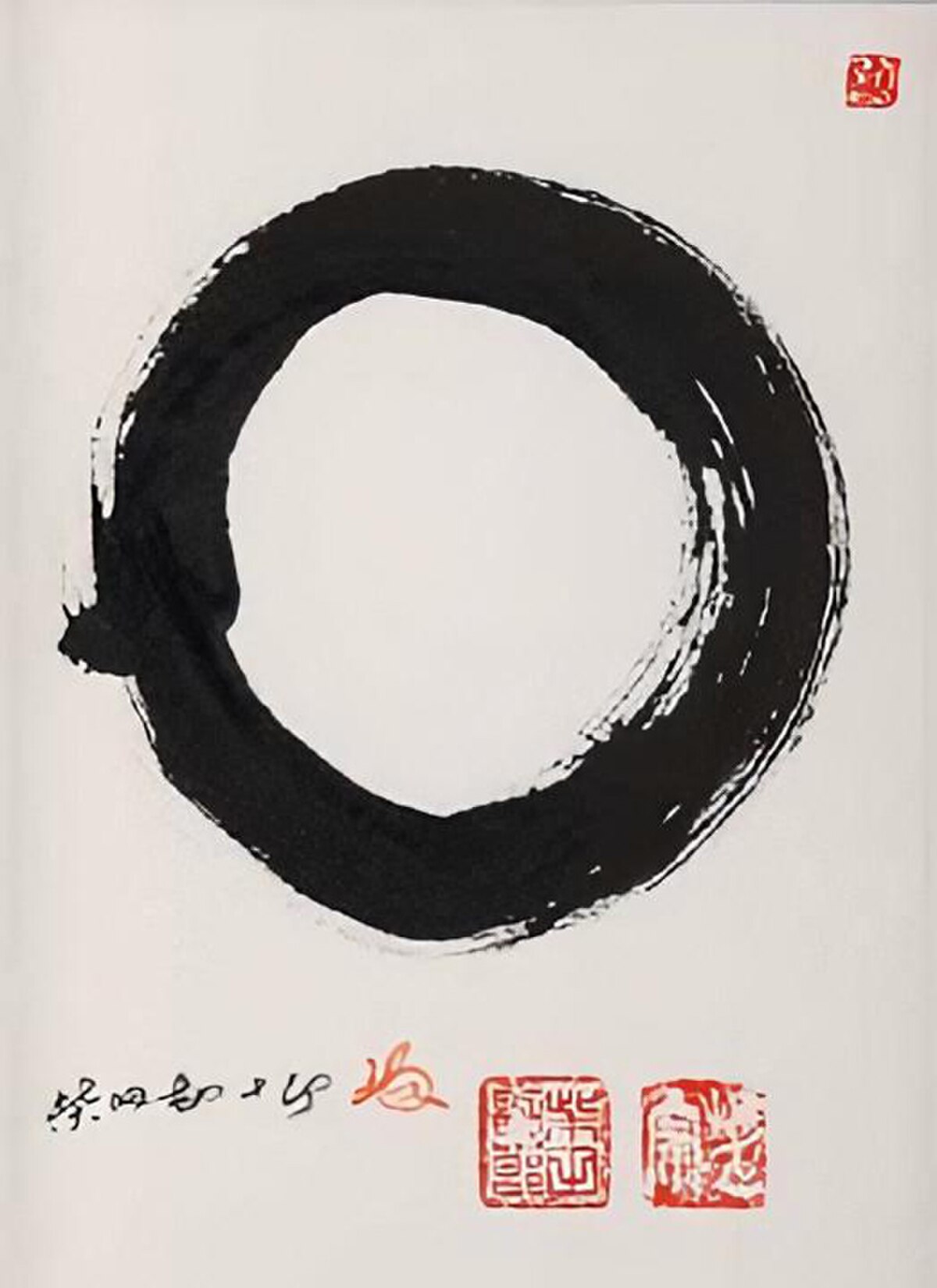
Ensō (Zen, Kanjuro Shibata XX) — the gap before differentiation. The Ensō is the visual equivalent of Hesiod's khaos: not disorder but primordial space before anything has been distinguished from anything else

The Western tradition has spent two and a half millennia misreading Hesiod's first word. Chaos does not mean disorder. The Greek khaos (from the verb khaino, to gape or yawn) means the gap, the opening, the primordial space that precedes differentiation. It is not confusion. It is the condition before anything has been distinguished from anything else. Read through Barfield's lens (CON-0039), Chaos is original participation in its most radical form: a state in which no boundary has yet been drawn between perceiver and perceived, between one power and another, between the divine and the material. Those distinctions have not yet emerged.

Then Earth (Gaia), broad-chested, the stable ground. Then Eros, the oldest of the gods, the generative power that drives all subsequent emergence. The sequence is not arbitrary. Hesiod is describing the minimum conditions for a world to exist: an opening (Chaos), a ground (Gaia), and a principle of relation and generation (Eros). Everything that follows (Tartarus, Night, Day, Sky, Ocean, the Titans, the Olympians) unfolds from these three. The cosmogony is also a logic. Before the pre-Socratics formalized the question of arche, Hesiod had already answered it. The origin is not a substance but a process: differentiation from undifferentiated openness, grounding, and the erotic drive toward form.


III. Succession and Swallowing
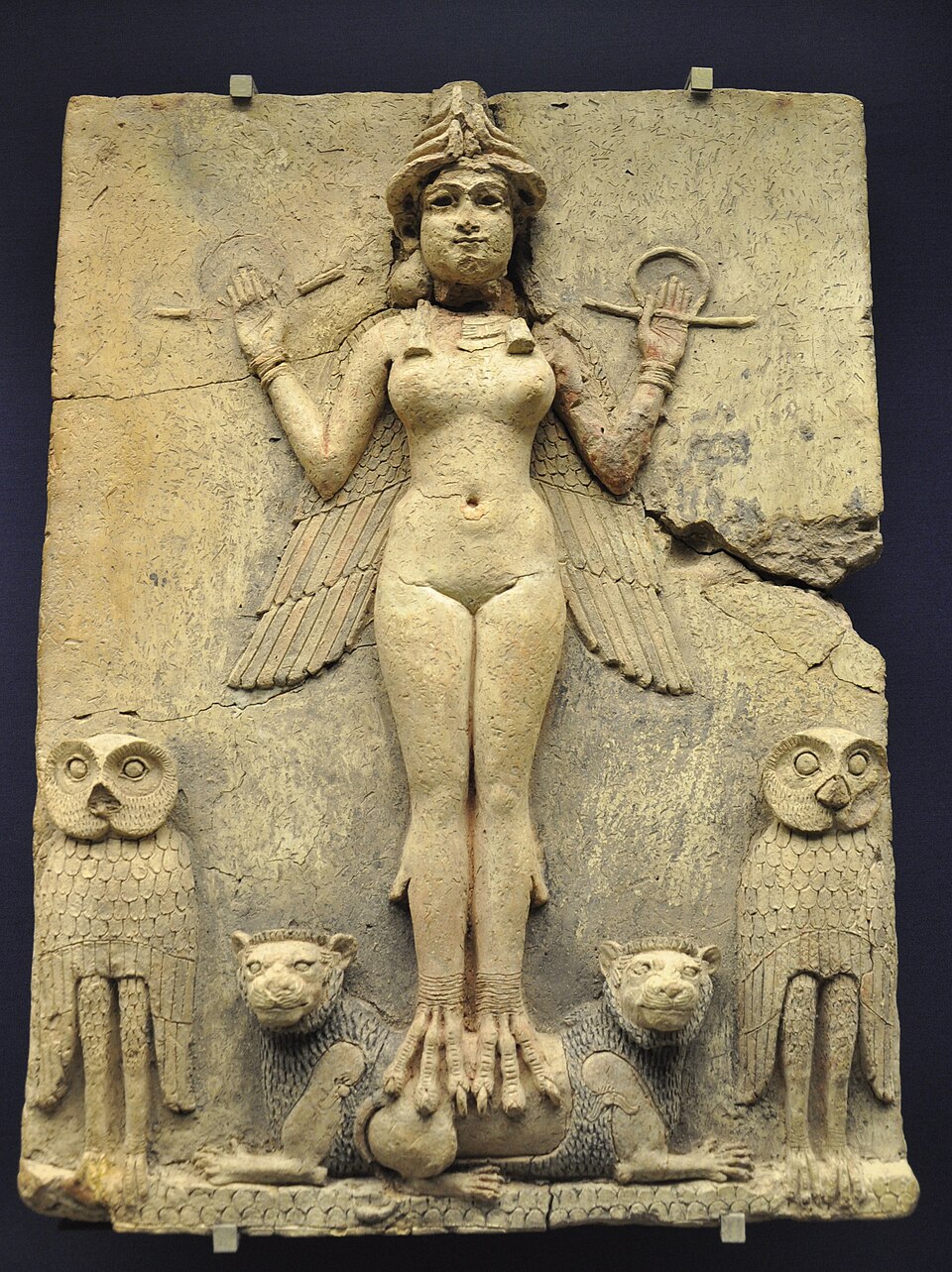
Queen of the Night / Burney Relief (British Museum, c. 1800–1750 BCE) — archaic divine power from the Near Eastern cosmogonic world that influenced Hesiod's theogony. A winged goddess with talons on lions: the raw forces that the succession narrative describes

The Theogony's central narrative is violent. Ouranos (Sky) covers Gaia (Earth) in perpetual intercourse and refuses to let their children emerge into the light. Kronos, youngest of the Titans, castrates his father with a sickle Gaia provides. Kronos then swallows his own children to prevent the prophecy that one of them will overthrow him. Zeus, hidden by his mother Rhea, survives, forces Kronos to disgorge the swallowed gods, and establishes the Olympian order after a cosmic war.

Read literally, this is a power narrative about divine succession. Read through the project's lens, it is something more precise: a description of how consciousness differentiates through successive crises of containment and release. Each divine generation tries to hold the next generation inside itself: Ouranos pressing his children back into Earth, Kronos swallowing his children into his own body. Each act of containment fails because the generative principle (Eros, the oldest power) cannot be permanently suppressed. The new form breaks through.

This pattern (the older structure that tries to contain the emerging one, the crisis that forces emergence, the new order that integrates what was released) recurs across the traditions the project examines. It appears in the alchemical nigredo, where the old form must be dissolved before the new can crystallize. It appears in initiation itself (CON-0001), where the profane self must be symbolically destroyed before the initiated self can emerge. Hesiod gives it its earliest Western expression. The violence is not incidental. Differentiation costs something. New consciousness is not given freely by the old consciousness it supersedes. It must be wrested.


IV. Works and Days and the Five Races
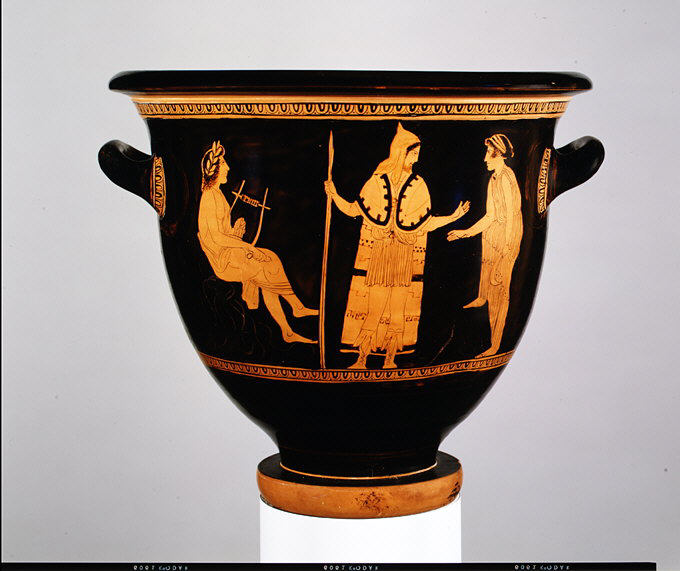
Orphic bell-krater (Met, ca. 440 BCE) — the lyre that remembers what was lost. The Orphic tradition carried the memory of earlier participatory states into the Iron Age. The vessel itself is evidence of that age: crafted, used in rituals that maintained connection to what the Five Races narrative says was slipping away

The Works and Days is a different poem with a different purpose, a practical and moral instruction addressed to Hesiod's brother Perses, who has cheated him of his inheritance. But embedded in its agricultural and legal advice is the myth of the Five Races (often mistranslated as "Ages"): Gold, Silver, Bronze, the Heroes, and Iron. This sequence is the earliest Greek version of the decline narrative that Guénon would systematize as the doctrine of the Kali Yuga, and that Gebser would recast as the mutation of consciousness structures.

The Gold Race lived "like gods, with carefree hearts, free from toil and misery." They did not grow old. The earth gave them fruit without labor. When they died, they became benevolent daimones, spirits watching over mortal affairs. This is not nostalgia. It is a description of original participation (CON-0039) in mythic language, a consciousness so continuous with the living world that labor, aging, and death as the modern mind understands them had not yet emerged as experiences. The Gold Race does not work because the boundary between human desire and natural provision has not yet been drawn.

Each successive race represents a further stage of separation. The Silver Race is foolish and violent: consciousness has differentiated enough to act but not enough to act wisely. The Bronze Race is warlike, hard as the metal that names them. The Heroes, inserted between Bronze and Iron, break the strict decline and represent a partial recovery, a generation that achieves something the declining sequence alone would not predict. Then comes Iron, Hesiod's own age: labor, injustice, the gods' withdrawal.

The project does not adopt the pure decline reading. But it takes Hesiod's testimony seriously as the earliest Western record of a perceived loss, a consciousness that remembers, or constructs a memory of, a mode of being in which the division between human and divine, labor and provision, self and world was less absolute than it has become.


V. The Poet as Theologian
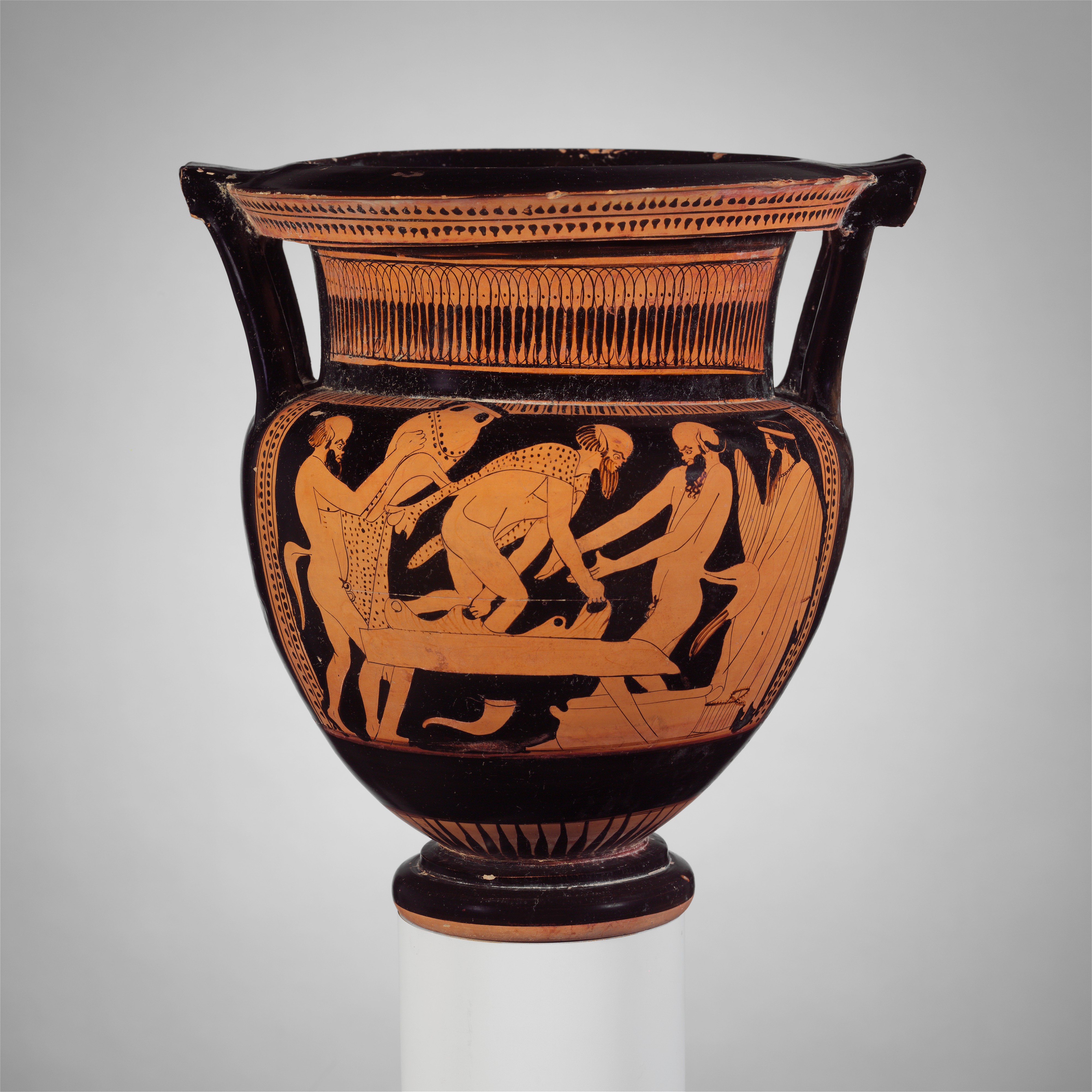
Dionysian column-krater (Met, ca. 460–450 BCE) — the communal vessel where wine was mixed for the symposium, the Greek site of theological discourse. The social context that received and transmitted the ordered divine knowledge Hesiod first produced

Herodotus said that Homer and Hesiod "gave the Greeks their gods": assigned them their names, their honors, their forms. This is not a casual remark. Before Hesiod, Greek theogonic material existed in oral tradition, fragmented, local, variable. Hesiod systematized it. He did not invent the gods, but he gave them their canonical relationships, their genealogical structure, their narrative logic. The Theogony is theology in its literal sense: theos + logos, an ordered account of the divine.

This matters for the project because Hesiod represents the moment when participatory consciousness begins to organize itself. The Theogony is not yet philosophy. It does not abstract or argue. But it is no longer pure mythos either. It is mythos becoming conscious of its own structure. Hesiod names the Muses individually. He catalogs the rivers, the sea-nymphs, the offspring of Night. The act of cataloging is itself a cognitive event: consciousness stepping back just far enough from the participatory field to perceive it as an organized whole, while remaining close enough to speak from within it.

The Theogony belongs at the beginning of the Western Canon track. It is the hinge text, the moment before philosophy, the moment when the mythic consciousness that will generate philosophy is already performing the cognitive operations (ordering, distinguishing, relating) that philosophy will later formalize. Hesiod is not a primitive. He is the first Western thinker to do in mythic form what Thales will do in conceptual form a century later: ask what reality is structured from, and answer systematically.

What the listener needs to know is that this text is not background. It is not "what the Greeks believed before they learned to think." It is a document of a consciousness actively engaged in the work of structuring reality, and the Theogony's method of structuring (genealogical, generative, narrative, participatory) is different from philosophy's method in ways that reveal what philosophy left behind when it chose abstraction over myth. The project carries both methods. Hesiod is where the conversation begins.

More Essays

What Happened Inside the Mysteries

The founding long-form essay of the Mystery Schools project: an imaginative synthesis of classical archaeology, consciousness evolution, neuroscience, and Western esotericism.

Dear Unknown Friend

A reading essay on Valentin Tomberg's Meditations on the Tarot, moving through concentration without effort, analogy, the Hermit's neutralization of binaries, the scientific creed, and anonymous transmission.

The Cartographer's Blind Spot

Eliade's Rites and Symbols of Initiation gave the modern West its most influential map of initiatory structure. This essay engages both the power and the limitation of his comparative method, asking what the tripartite schema reveals about consciousness transformation and where its universalizing impulse becomes a cage that obscures the very phenomena it describes.

The Sober Witness

Burkert's Ancient Mystery Cults is the foremost empirical account of what the five major mystery traditions actually looked like. This essay engages his insistence on institutional specificity and ritual mechanics, honors his refusal to romanticize, and asks the question his method forbids: not what were the mysteries, but what did they do to consciousness?

The Garment and the Stage

Barfield's Saving the Appearances is the single most important theoretical text for the Mystery Schools project. This essay engages his argument that perception itself has a history, that the ancient world was not a stage but a garment, and that the trajectory from original participation through the hardening points toward a final participation that the mystery traditions may have anticipated.

The Oath and the Roses

The only Latin novel to survive complete from antiquity is also the single most important first-person account of mystery initiation. Apuleius's Golden Ass enacts in narrative form the arc the project traces across all traditions: degradation through unprepared contact with the sacred, descent into embodied helplessness, and restoration through the goddess who moves first.

The Architecture of Descent

Dante's Commedia enacts the full initiatory structure that the project traces across all traditions: descent through death, purification through ordeal, ascent to direct vision. The essay reads the poem not as medieval theology set to verse but as evidence that the katabasis-anabasis pattern survived as a living architecture of spiritual experience long after Eleusis fell.

The Golden Bough and the Weight of History

Virgil's Aeneid contains the most sustained literary katabasis in Latin literature and the direct predecessor to Dante's Commedia. Unlike Odysseus or Orpheus, Aeneas descends not for personal gain but to receive the burden of history. The essay reads Book VI as initiatory architecture and the Gate of Ivory as a warning about the gap between vision and record.

The Rage and the Recognition

The Iliad is not an initiation narrative. It is the poem that establishes what consciousness looks like before initiation: the heroic mode, brilliant and lethal, cracked open by grief into something the heroic code cannot contain. Achilles's recognition of Priam as human father is the metanoia that makes the Odyssey's initiatory journey necessary.

The Dead Who Know the Way Home

The Odyssey is the oldest surviving initiation narrative in Western literature. Its deep structure follows the initiatory pattern centuries before the mystery cults formalized it: separation, ordeal, encounter with death, transformed return. Book XI's nekuia is the first literary katabasis, and the poem's implication is that the initiatory structure was already active in Greek consciousness at the earliest recorded moment.

The God Who Went Down Laughing

Aristophanes's Frogs is the only surviving ancient text that stages a complete katabasis as comedy. Dionysus descends to Hades to fetch a dead tragedian, and the play's laughter is not incidental to the initiatory structure but part of it. The essay reads Frogs as evidence that the Mysteries and the theater were twin Dionysian institutions.

The Gods Withdraw, the Humans Burn

The four plays in Euripides I — Alcestis, Medea, The Children of Heracles, Hippolytus — document a theological crisis at the heart of fifth-century Athens. The gods are present but no longer reliably aligned with human meaning. The essay reads Euripides as a seismograph of the early Hardening: the moment participatory consciousness begins to crack.

The Invisible Fraternity and Its Visible Historian

Waite's 1924 history is the most thorough English-language account of the Rosicrucian movement, written by a scholar who was also an initiate. The essay reads it as evidence for the egregore phenomenon: the power of an initiatic aspiration to generate real institutions even when no original institution can be documented.

The Book That Unsays Itself

The Tao Te Ching opens with an act of philosophical self-cancellation: the Dao that can be spoken is not the constant Dao. The essay reads the text as the Daoist form of participatory consciousness, where wu wei (action without force) is the Eastern counterpart to what the Western mystery traditions reach through initiation and descent.

The Battlefield and the Chariot

The Gita begins with a warrior's refusal to fight and unfolds into the Indian tradition's most concentrated instruction on action, knowledge, and devotion. The essay reads the three yogas as the explicit form of what the Western mystery traditions perform implicitly, and Krishna's cosmic vision as the Indian epopteia.

The Teaching at the Foot of the Teacher

The Upanishads are the philosophical summit of the Vedic tradition and the Eastern counterpart to the Eleusinian Mysteries: both claim that direct experiential knowledge of ultimate reality transforms the knower. The essay reads the Katha Upanishad's descent to Death as structural katabasis and the Upanishadic epistemology as participatory knowing.

The Analyst in the Telesterion

Von Franz reads Apuleius's Golden Ass as a map of individuation rendered in narrative form before Jung existed to name the process. The donkey is the shadow swallowing the ego whole; Psyche's descent is the anima's own differentiation; Isis is the Self arriving when the ego has been sufficiently dissolved. The project takes this psychological architecture and asks the question von Franz's method cannot: whether the territory the psyche maps is merely internal.

The River Has No Teacher

Hesse's 1922 novel stages the most radical claim a spiritual narrative can make: that the greatest teacher in the story is wrong — not in what he knows, but in the assumption that what he knows can be transmitted through doctrine. Siddhartha walks away from the Buddha and into the world, and the novel follows what happens when a consciousness must descend into lived experience because no teaching can substitute for it.

The Diagnosis That Outlived Its Doctor

René Guénon's 1927 polemic is the Traditionalist diagnosis of modernity as the Kali Yuga, an age that has not lost the hierarchy of knowledge but inverted it. The essay reads the book as the ground on which the counter-initiation concept later stands, weighs its diagnostic power against its anti-historical exclusivism, and follows the dangerous political afterlife of Traditionalism from Evola to Dugin.

The Borrowed Name and the Brilliant Darkness

An anonymous Syrian monk, writing around 500 CE under the stolen name of an apostle's convert, smuggled a body of Neoplatonic mysticism into Christian orthodoxy. The essay reads the Dionysian corpus as the moment mystery-school metaphysics changed clothes, traces its apophatic core — the "brilliant darkness" of unknowing, and follows its underground passage into the Western contemplative tradition from Eriugena to Eckhart.

The Work the Mind Cannot Do

Iamblichus wrote On the Mysteries around 300 CE as a reply to Porphyry's skeptical letter on the value of ritual, signing it with the mask of an Egyptian priest. The essay reads the book as the founding defense of theurgy: the argument that a fully descended soul cannot think its way back to the divine, and that the ascent must be completed by god-work performed in matter, the Mysteries carried forward in philosophical form.

The Flight of the Alone

The Enneads collect Plotinus's treatises on the One, Intellect, and Soul, and on the soul's descent into matter and its return. The essay reads Plotinus as a practitioner rather than a theorist, a philosopher who reported union with the One from experience, and sets his contemplative ascent against Iamblichus's theurgy, while weighing the real convergence between henosis and the Vedantic identity of atman and brahman.

The Faculties That Slumber

How to Know Higher Worlds is Rudolf Steiner's practical manual of modern initiation: a step-by-step discipline of reverence, thought-control, and moral training that he printed openly, for an individual to walk alone. The essay reads it as the operative tradition's modern manual, the clearest account of what initiation had to become to survive into a consciousness with a free, self-aware ego.

The Doctrine Behind the Doctrines

The Secret Doctrine is the most ambitious synthesis in modern esoteric literature: Blavatsky's claim of one lost wisdom-tradition behind all religions, science, and philosophy. The essay reads it as both a real bridge, the route by which Eastern concepts entered Western consciousness, and a cautionary mirror of the project's own synthetic method when ambition outruns rigor, transparency of sources, and the discipline of distinction.

0:00
0:00