I. The Letter and the Reply
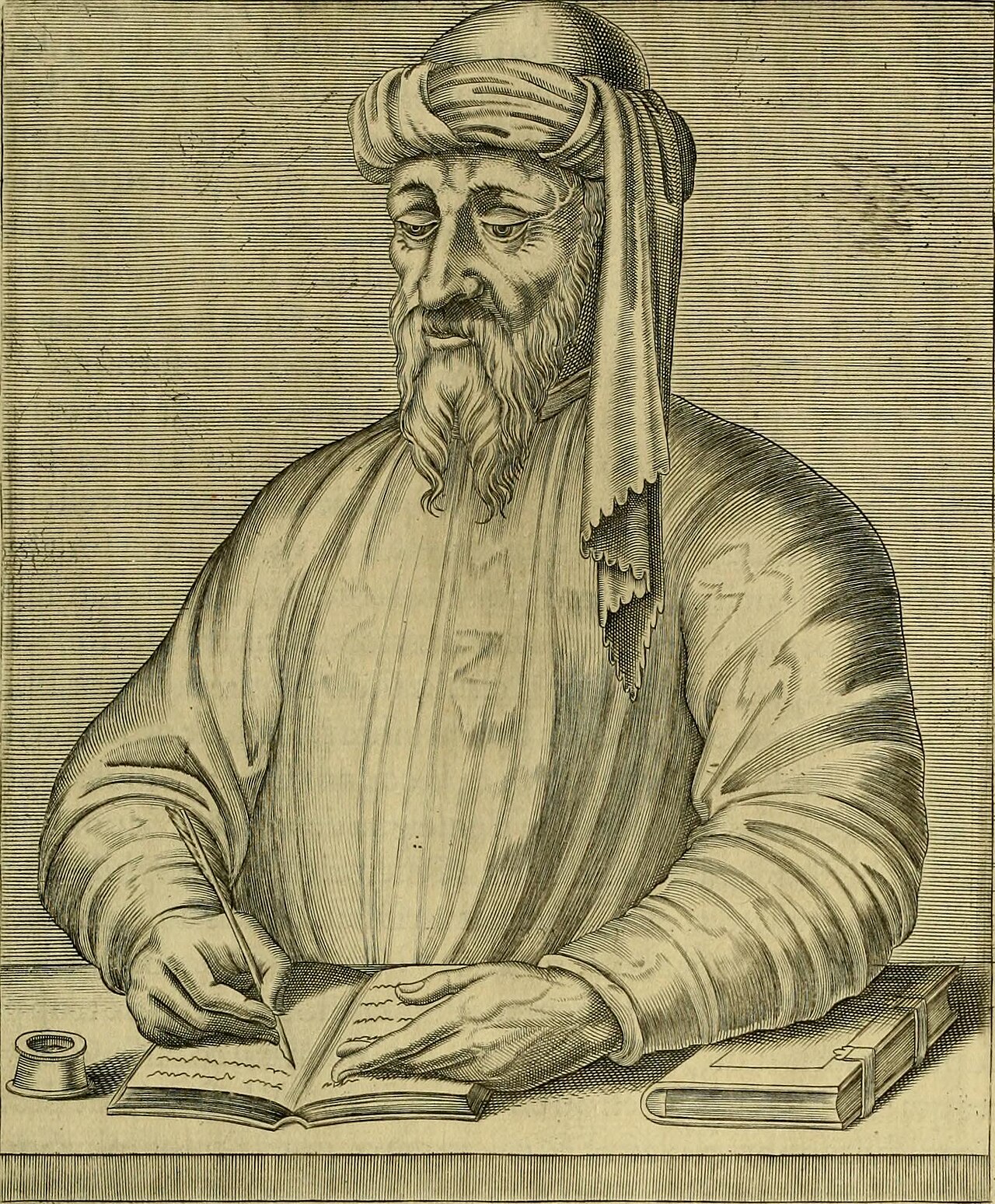
Around the year 300, the philosopher Porphyry wrote a letter. He addressed it to an Egyptian priest named Anebo, and he filled it with hard questions. Why do rituals work, if they work at all? Why would a god care about one particular stone, one herb, one syllable sequence chanted in order? If the gods are perfect, they cannot be moved by human action; and if they can be moved, they are not perfect. Porphyry was a Neoplatonist, the student and editor of Plotinus, and he was asking, in apparent good faith, whether the whole inherited apparatus of religious rite made any sense.
The reply came from Iamblichus, a Syrian philosopher who had studied in Porphyry's orbit and then founded his own school. It is the book the project knows as On the Mysteries, and Iamblichus did not sign it with his own name. He wrote as "Abamon," an Egyptian priest, answering a letter that had been addressed to an Egyptian priest. The mask was an argument in itself. Iamblichus was claiming that Porphyry's question could not be settled by Greek philosophy alone. The practice under interrogation was older and deeper than Greek philosophy; it had to be answered from inside the priestly tradition that carried it.
The book that resulted reorganized the relationship between thought and ritual for the rest of antiquity.
II. The Soul That Fell All the Way
Plotinus had taught that the human soul never wholly leaves the divine. Some apex of it, some uppermost point, remains always in contact with the intelligible world, and the philosophical life is the work of turning attention back toward that apex. On this account contemplation is enough. The soul climbs by thinking, and matter is at best a distraction.
Iamblichus disagreed, and the disagreement is the hinge of the whole book. For Iamblichus the soul has descended completely. There is no part of it left behind in the light. It is wholly embodied, wholly inside the conditions of matter and time. A soul in that condition cannot lift itself by its own thinking, because the faculty doing the thinking is itself fallen. The mind cannot reach above the level on which the mind operates.
This is not pessimism. It is a precise diagnosis, and it forces a precise conclusion. If the soul cannot complete its own ascent, then the ascent must be completed by something already divine. The initiative has to come from the gods. And the gods, Iamblichus argues, reach the embodied soul where the embodied soul actually is: in matter, through material means.
III. God-Work, Not God-Talk
The Greek word is theourgia: theos, god, and ergon, work. Iamblichus sets it deliberately against theologia, god-talk. Theology is discourse about the divine, and discourse is an activity of the discursive mind, the same fallen faculty that cannot reach above itself. Theurgy is not discourse. It is god-work: divine power, not human cleverness, does the lifting.
This makes theurgy easy to mistake for magic, and Iamblichus is careful to refuse the comparison. Magic, goēteia, tries to compel higher powers to serve human ends; the magician is the agent and the powers are the instrument. Theurgy inverts this completely. In theurgy the gods are the agents and the practitioner is the instrument. The theurgist does not command the divine. The theurgist assembles the conditions under which the divine can act, and then receives that action. Prayer, on this account, is not petition. It does not pull a god down to do a favor. It raises the one praying toward the level on which the god already is.
What makes the conditions assemble correctly is the doctrine of synthēmata: tokens or signatures that the gods themselves planted in the material world at its making. A particular stone, plant, scent, or sound is bound by a real sympathy to a particular divine power. The rite is efficacious not because the theurgist is clever but because the cosmos is already wired, and the rite plugs into the wiring (CON-0008).
IV. The Moving Statues
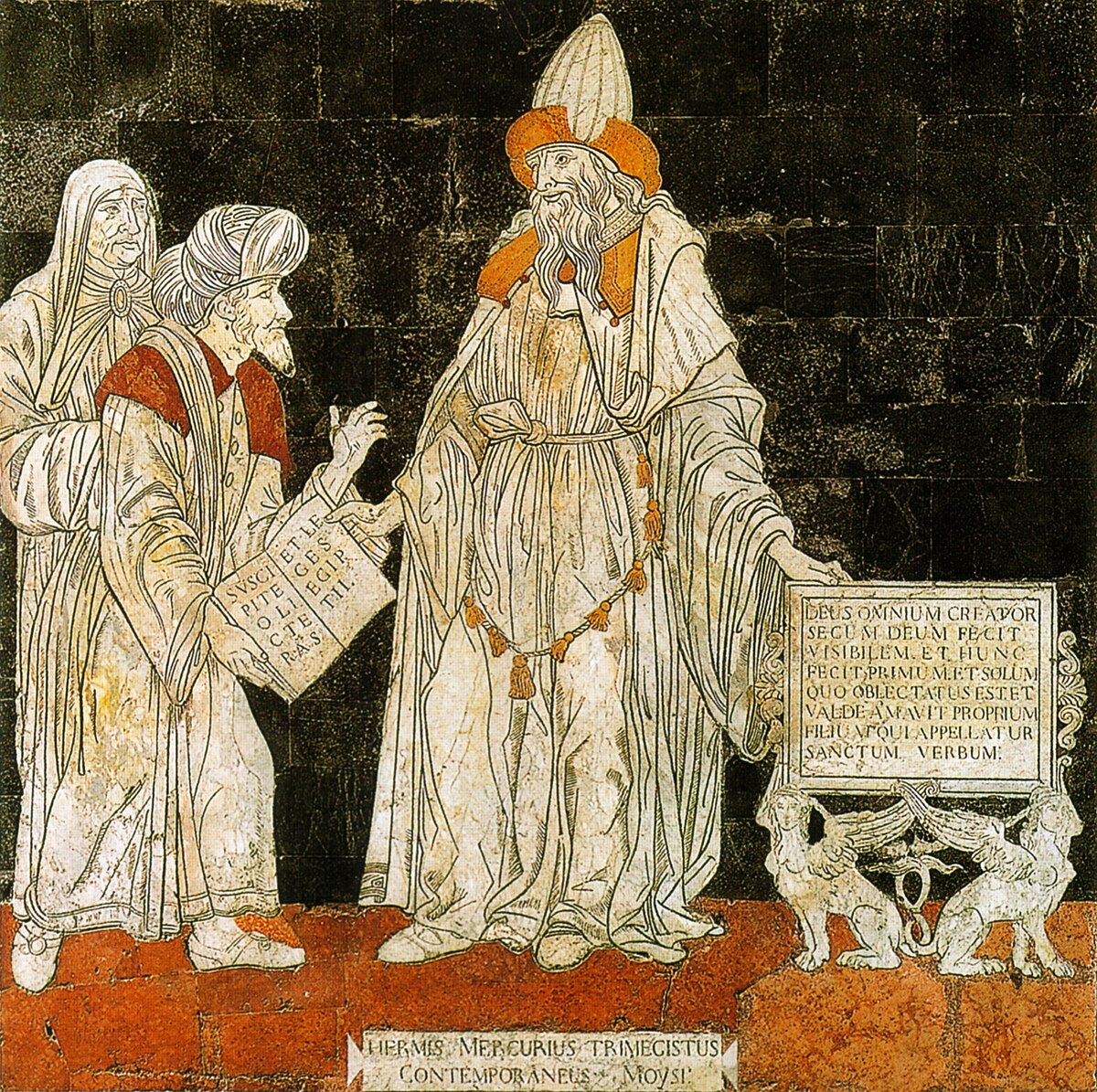
The most vivid case, and the one that would scandalize later readers, is the animated statue. In the theurgic and Hermetic milieu that Iamblichus speaks for, a properly consecrated statue was not a representation of a god. It was a vessel a god could occupy. The right materials, the right invocations, the right tokens gathered in the right object, and the statue became a site of divine presence: it could move, give oracles, act.
To a modern reader this sounds like superstition, and to Porphyry it sounded close to it. But inside Iamblichus's metaphysics it is consistent. If the gods planted their signatures in matter, then matter at its lowest is not godless. It carries traces of the divine all the way down. A statue is simply matter concentrated and tuned until the traces in it become a channel. The moving statue is not an embarrassment to the system. It is the system stated at full volume: the material world is not the obstacle to the sacred but its instrument.
On the Mysteries matters to the project's account of how the sacred was practiced rather than merely believed. Iamblichus will not let ritual be demoted to symbol. The bread, the fire, the stone, the chanted name are not pictures of a transformation happening elsewhere in the mind. They are where the transformation happens.
V. The Ascent: Gnosis and Henosis
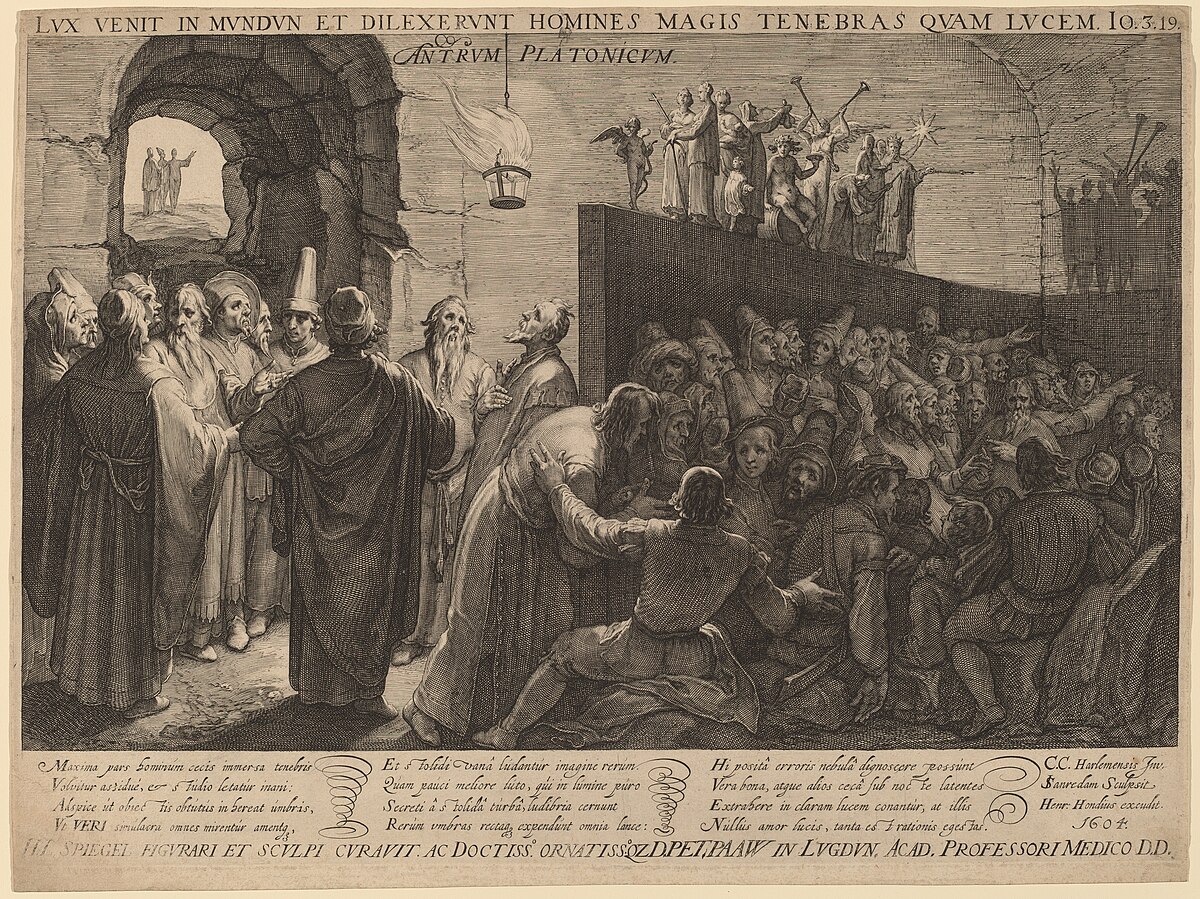
Theurgy is not an end in itself. It is a means, and the end is the soul's return. Iamblichus describes a graded path: lower rites that purify the material soul; middle rites tuned to mathematical and musical harmony that purify the intellectual soul; and at the summit, direct divine illumination.
What the path delivers is not information. The knowledge at stake is gnosis (CON-0009): knowing in the sense of being changed by what is known, a knowledge that cannot be separated from a transformation of the knower. And the term of the whole movement is henosis (CON-0019), union: the moment the soul is no longer related to the divine as one thing to another but is made one with it. Plotinus had a famous phrase for this, the flight of the alone to the Alone, and he believed thought could accomplish it. Iamblichus keeps the destination and changes the vehicle. The union is real, but a fallen soul does not fly there on its own intellect. It is carried, through rite, by the gods whose work the rite is.
VI. What Replaced Eleusis
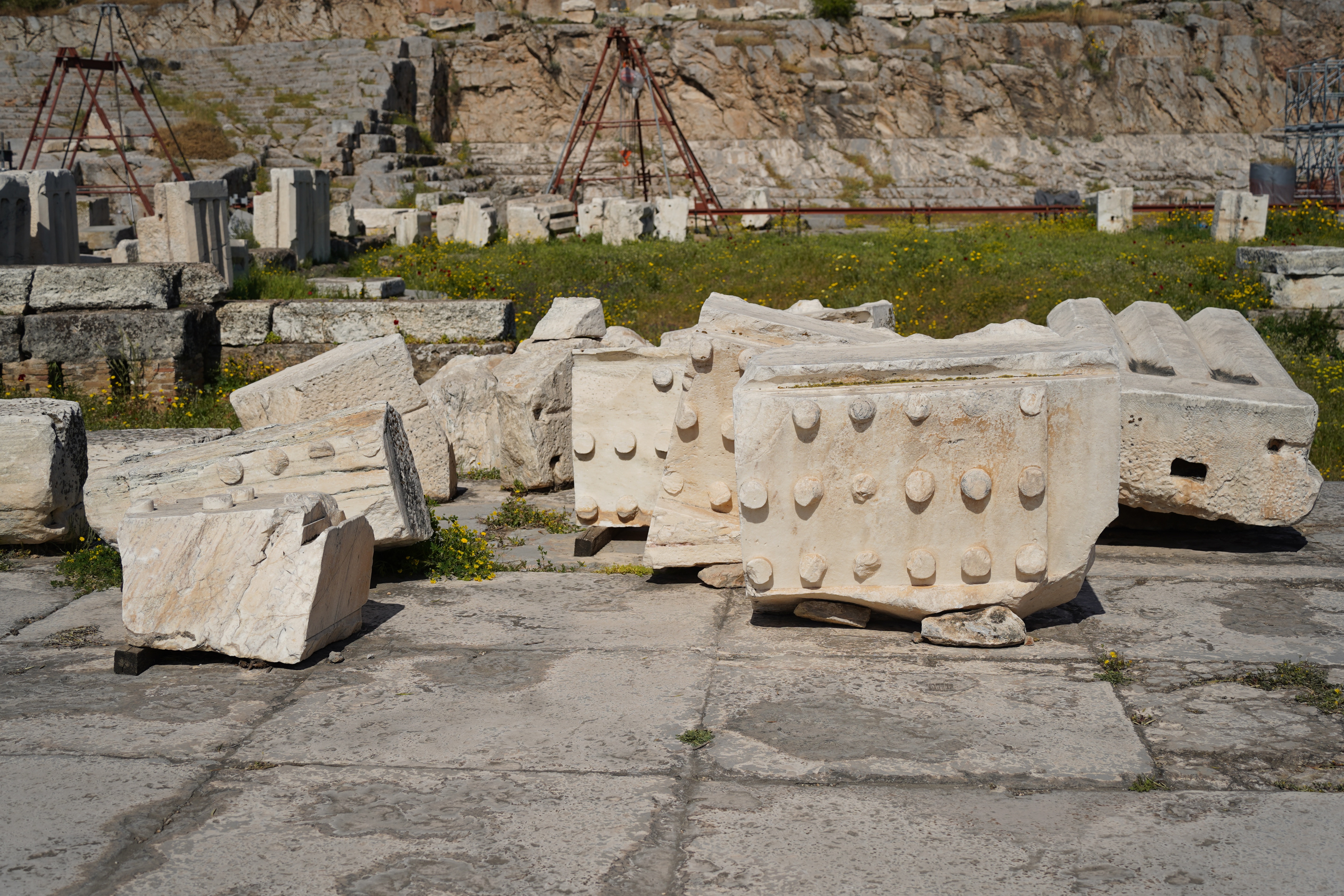
There is a historical question standing behind this book, and the project asks it directly: what continued the work of the Mysteries once the old initiatory institutions were failing? Eleusis would be sacked within a century of Iamblichus's death. The public, civic machinery of initiation was running down. On the Mysteries is one of the most important answers. Theurgy is the Mysteries carried forward in philosophical form: a structured, graded, ritual ascent, defended now with a complete metaphysics. The Eleusinian rites themselves can be read backward through Iamblichus, as theurgy before the theory, the kykeon and the sacred objects and the fire in the Telesterion all functioning as synthēmata that activate a real change in the soul.
What the book finally unlocks for the listener is a refusal. Iamblichus refuses to let the sacred be reduced in either of the two directions a modern reader is tempted to take it. It is not merely psychology, with the ritual a colorful staging of an inner state. It is not merely philosophy, with the argument doing the real work while the practice is decoration. Against both, On the Mysteries holds a third position: transformation requires an act performed in matter and the body, in cooperation with powers the practitioner does not control. You cannot think your way to the divine. That is the claim the project carries forward from this strange, difficult, masked book. The mind cannot do this work alone. Something has to be done.