I. Eighty-One Chapters of Refusal
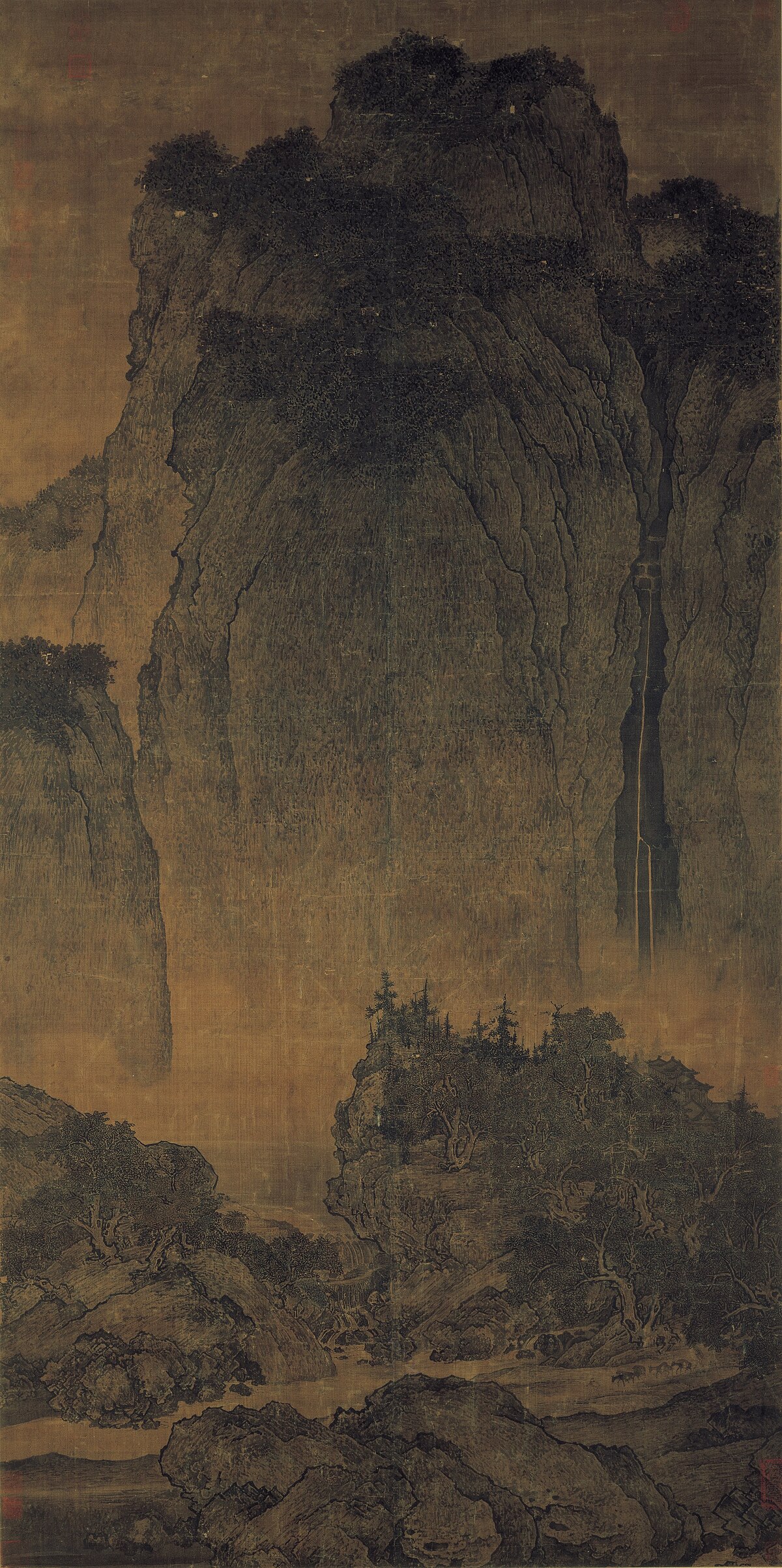
The Tao Te Ching opens with the most famous act of philosophical self-cancellation in any tradition: "The Dao that can be spoken is not the constant Dao. The name that can be named is not the constant name." Eighty chapters follow, each one attempting to articulate what the first line declares inarticulate. The text does not resolve this contradiction. It inhabits it. Every statement about the Dao is simultaneously an admission that the Dao exceeds the statement. The book is a performance of the limit of language in the presence of what language cannot contain.
Attributed to Lao-tzu (a figure whose historical existence is debated), compiled in its current form around the fourth or third century BCE, the Tao Te Ching is the origin text of the Daoist tradition and one of the most translated books in human history. Its eighty-one chapters (traditionally divided into the Dao section and the De section) address governance, ethics, cosmology, and the cultivation of the self, all organized around a single insight: reality has a way (Dao) that operates through yielding, emptiness, and return, and the person who aligns with this way acts without forcing and knows without grasping.
II. Wu Wei and the Participatory Reversal
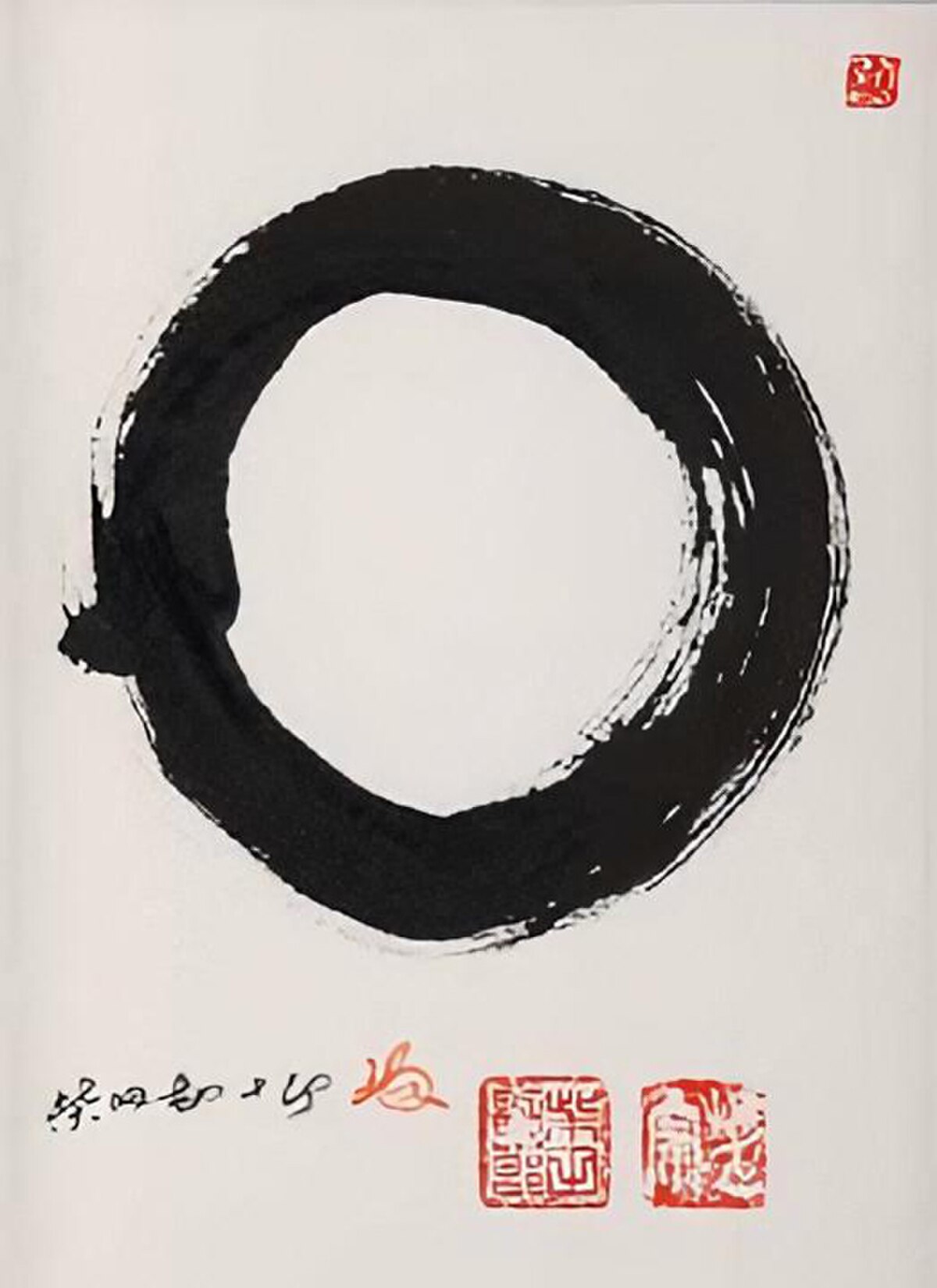
The Tao Te Ching's central ethical and practical concept is wu wei, conventionally translated as "non-action" but better understood as action without force, effort without strain, the kind of activity that arises when the actor is so aligned with the situation that no excess of will is required. Water flowing downhill is wu wei. A master craftsman whose hands know what to do before conscious intention forms is wu wei. The sage ruler who governs so lightly that the people say "we did it ourselves" is wu wei.
For the project, wu wei represents something specific: a mode of consciousness in which the participant does not stand over against the situation as a problem to be solved but participates in it as a field to be attended to (CON-0004). This is the Daoist form of what Barfield calls participation and what the project traces across the mystery traditions: a consciousness that does not impose form from outside but attends to the form already emerging from within the phenomenon. The Tao Te Ching articulates this participatory mode with a precision that has no equivalent in the Western tradition until Goethe's science of the eighteenth century.
The reversal the text performs is characteristic. Every tradition the project examines describes the initiatory path as requiring effort and the willingness to undergo ordeal. The Tao Te Ching says the opposite: the highest attainment is the release of effort, the return to a condition the text calls "the uncarved block" (pu). This is not passivity. It is a different kind of activity, one that the Western initiatory traditions tend to reach only at the far end of the path. The Daoist begins where the Western initiate finishes: with surrender.
III. Emptiness as Capacity
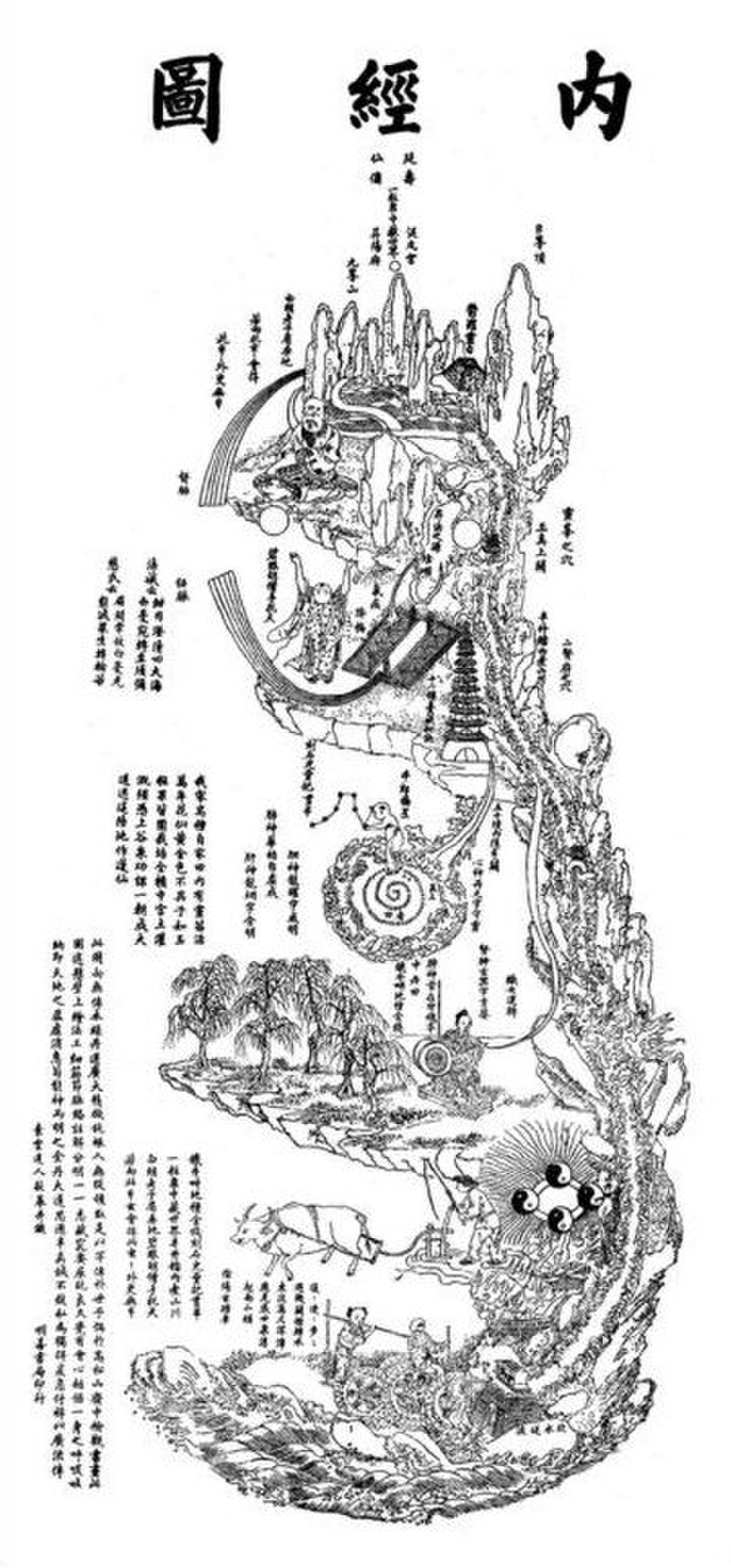
Chapter 11: "Thirty spokes share the wheel's hub; it is the center hole that makes it useful. Shape clay into a vessel; it is the space within that makes it useful. Cut doors and windows for a room; it is the holes that make it useful. So profit comes from what is there; usefulness from what is not there."
This is the text's ontology in miniature. The Dao is not a thing among things. It is the emptiness that makes things functional, the space that allows movement, the silence that gives sound its shape. The Tao Te Ching insists that the generative principle of reality is not substance but emptiness, not presence but the capacity that makes presence possible. This is not nihilism. It is a positive account of emptiness as the ground of all forms.
The project reads this alongside the Buddhist concept of sunyata (emptiness) and alongside the apophatic traditions of Neoplatonism and Christian mysticism (Pseudo-Dionysius, Meister Eckhart, the Cloud of Unknowing). Each tradition develops its own account of why the ultimate reality cannot be named, grasped, or possessed. The Tao Te Ching's version is the most concise and the most practical: it moves immediately from ontology to ethics, from the nature of the Dao to the question of how to live in alignment with it. The empty hub is not a metaphysical curiosity. It is an instruction.
IV. The Water and the Stone

The Tao Te Ching's favorite image is water. "The highest good is like water. Water benefits all things and does not compete" (Chapter 8). "Nothing in the world is softer and weaker than water, yet nothing is better at attacking the hard and strong" (Chapter 78). Water finds the low places that everyone else avoids. It conforms to every container without losing its nature. It wears away stone without effort.
This image carries the text's political philosophy (the ruler should be like water: below, serving, invisible in action), its ethics (the sage acts without force), and its cosmology (the Dao operates through yielding, not through domination). It also carries a specific claim about the relationship between consciousness and power that the project finds across the traditions: the deepest forms of transformation do not work through force but through a sustained, patient, yielding attention that changes the situation from within. The alchemists called this the slow fire. The contemplatives called it prayer. Lao-tzu called it water.
V. Where the Dao Meets the Mysteries
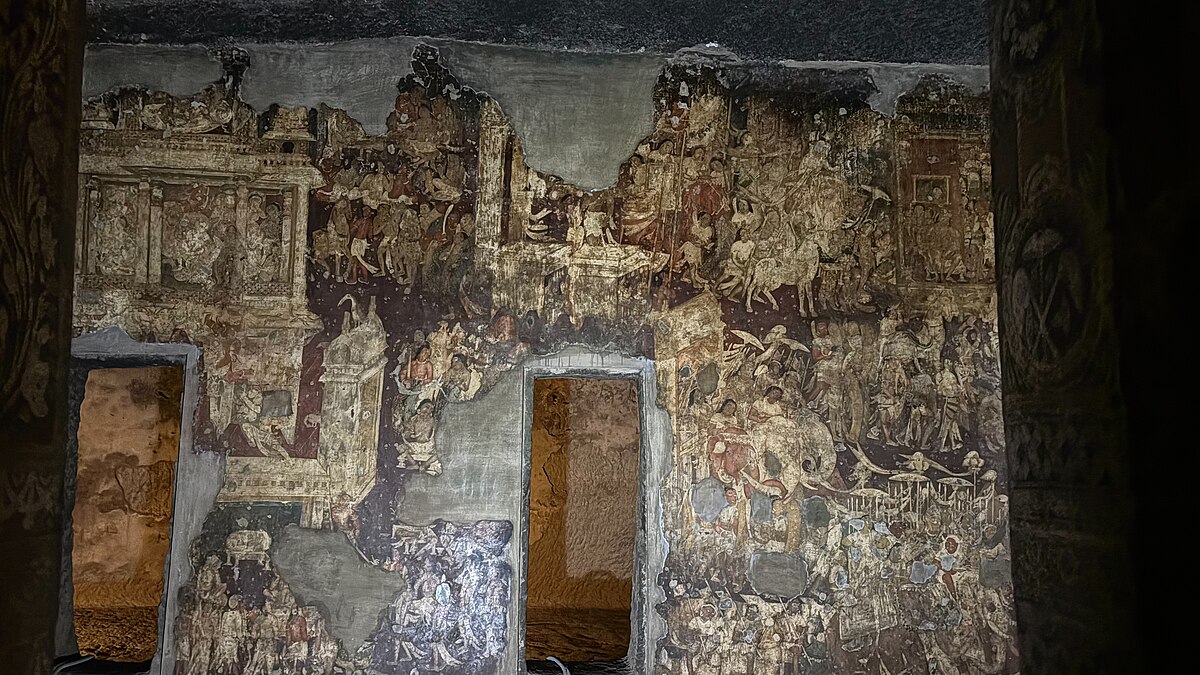
The Tao Te Ching does not describe initiation. It has no temples, no ritual sequence, no grades of attainment, no descent to the underworld. Its path is a return, not a journey: "Returning is the movement of the Dao" (Chapter 40). The sage does not ascend to a higher state but returns to the root, the origin, the condition before differentiation that the text calls "the mother of all things."
This return is the Daoist form of what the mystery traditions accomplish through katabasis and epopteia. The structural parallel is real and should not be overstated. The Greek initiate descends to the realm of the dead and sees a blinding light. The Daoist sage empties the mind and returns to the source. The phenomenology differs. The direction is the same: back toward a ground of being that ordinary consciousness has covered over with conceptual elaboration, desire, and the compulsive need to act.
For the listener, the Tao Te Ching opens the Eastern Traditions track by demonstrating that the project's central question (what is the territory that the initiatory traditions explored, and how was access gained and lost?) can be asked without the vocabulary of initiation at all. The Dao is the territory. Wu wei is the access. And the loss is the same loss the Western traditions diagnose: the replacement of participatory consciousness with the grasping, forcing, naming mind that stands over against reality instead of flowing with it. Lao-tzu diagnosed the Hardening twenty-five centuries ago. He just used different words.