I. The Man Who Mapped Initiation
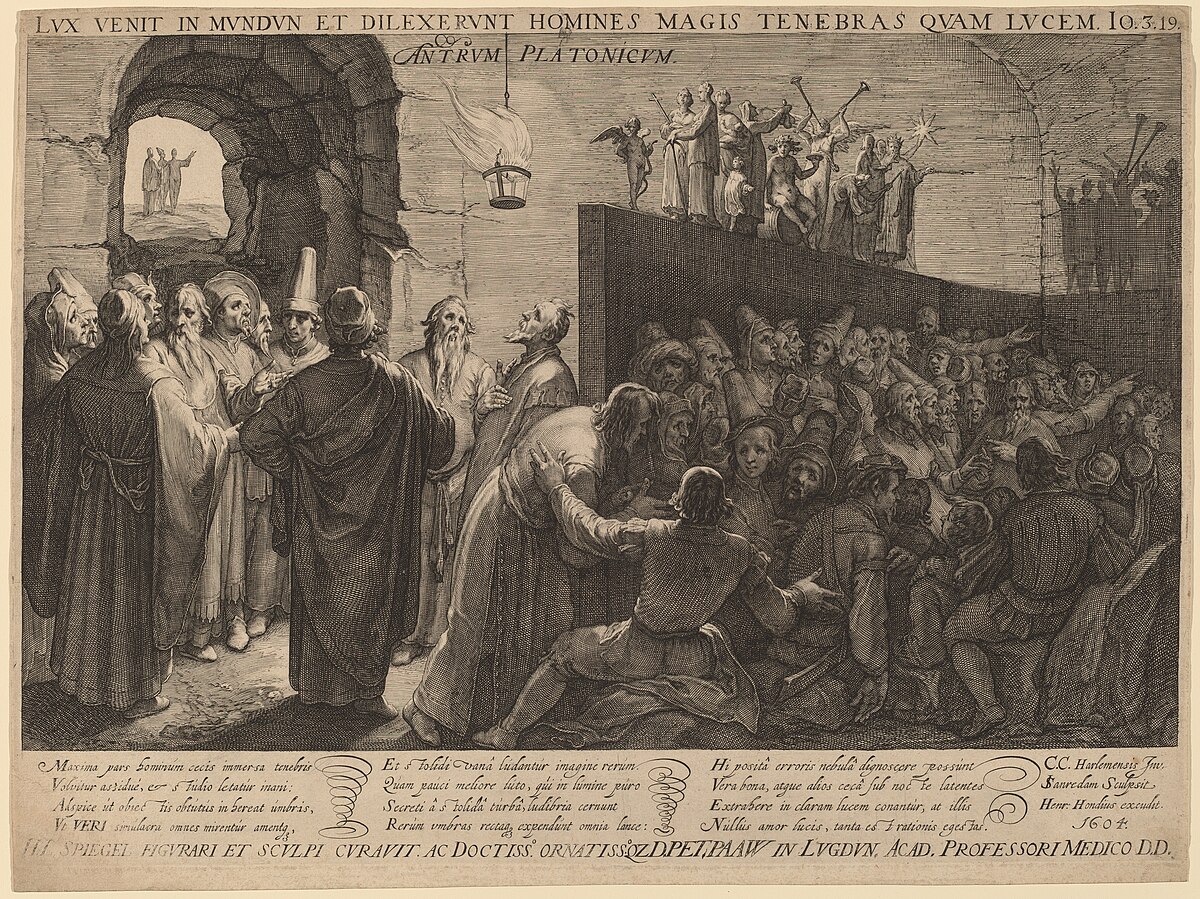
Mircea Eliade arrived at the University of Chicago in 1957 carrying a method so powerful it would reshape how the modern West understood ritual transformation. Within a year he delivered the Haskell Lectures, published in 1958 as Rites and Symbols of Initiation. The book is barely two hundred pages. It contains the most influential mapping of initiatory structure in twentieth-century scholarship. It also contains, embedded in its architecture like a flaw in a lens, the precise distortion that makes the map both indispensable and dangerous.
Eliade compressed a lifetime of cross-cultural reading into a single claim. Initiation, across every culture he surveyed, follows one structure. The novice is separated from the profane world and submitted to an ordeal of symbolic death, after which reconstitution follows. The schema originates with Van Gennep's Rites of Passage (1909), but Eliade does something Van Gennep did not. He reads the ordeal not as social mechanism but as ontological event. The initiate does not merely change status. The initiate dies and is reborn. The death is symbolic, but the rebirth, Eliade insists, is real, a reconstitution of the person at a higher level of being (CON-0001).
This is the move that made the book load-bearing for everyone who came after. By insisting that the initiatory ordeal accomplishes something real in the structure of the person, Eliade lifted the study of initiation out of sociology and into phenomenology. The question was no longer what social function does this ritual serve? but what happens to consciousness when it passes through structured death?
II. The Morphology of Dying
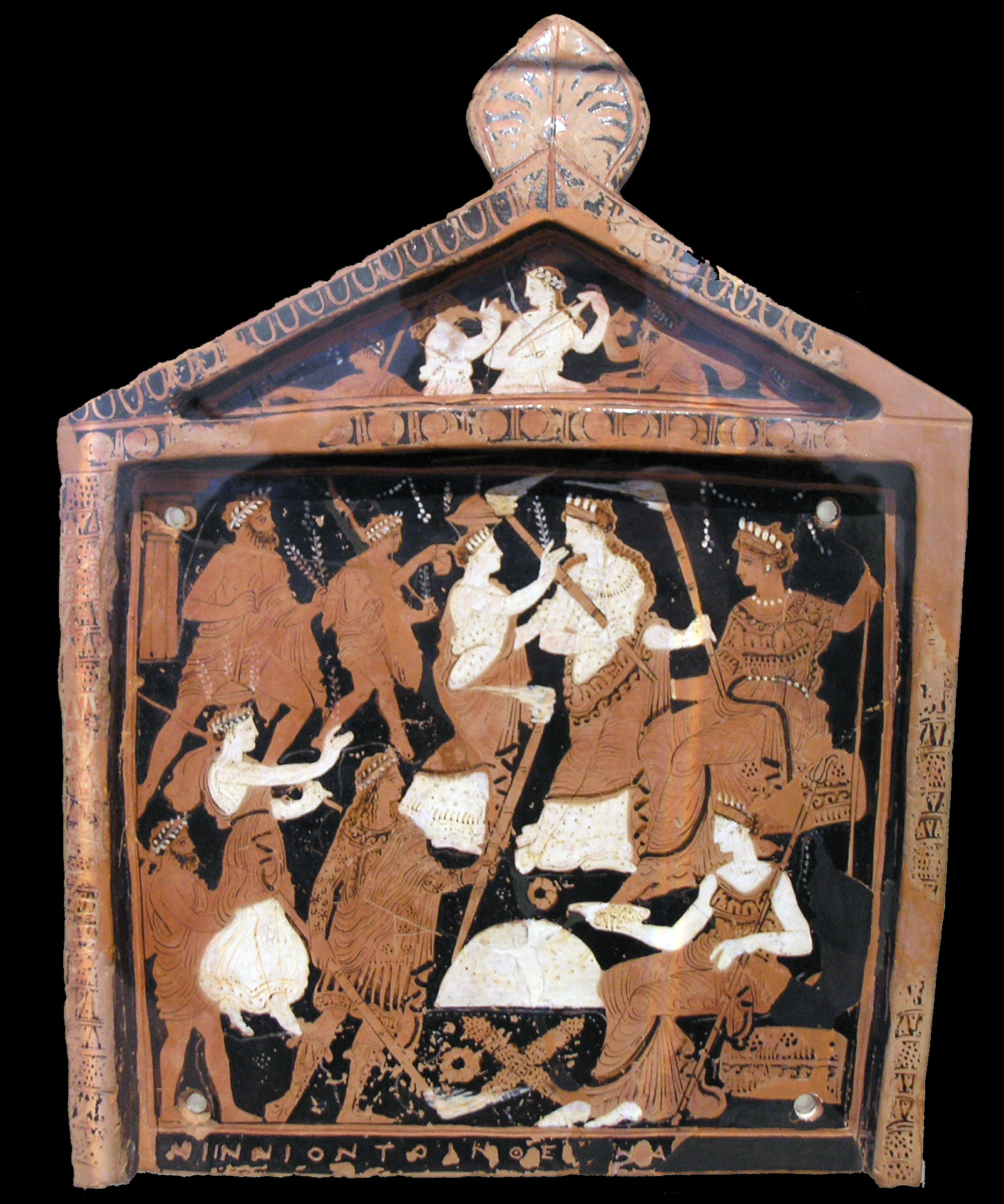
Eliade's comparative eye ranges across an enormous territory. Australian Aboriginal puberty rites, the Eleusinian Mysteries (CON-0090), shamanic dismemberment, the Männerbünde of Indo-European warrior societies, the katabasis of the hero (CON-0002). All of these, in his account, instantiate the same morphological pattern. The novice is separated. The novice undergoes symbolic death: burial, darkness, dismemberment, swallowing by a monster, descent to the underworld. The novice is reconstituted and returned, bearing knowledge unavailable to the uninitiated.
The pattern holds with striking consistency. An Aboriginal boy is taken from his mother, circumcised, shown sacred objects, told the myths of the Dreaming. A Greek mystes walks the road from Athens to Eleusis, fasts, drinks the kykeon, enters the Telesterion, and sees what cannot be spoken. A Siberian shaman is dismembered by spirits. His bones are counted, reassembled. His organs are replaced with crystalline substitutes, and he wakes possessing capacities the community needs. In each case: separation, ordeal, return. In each case: the old self dies so the new self can live.
Eliade identifies three major types. Puberty initiations are collective, mandatory, and mark the passage from childhood to adult membership in the sacred community. They disclose the tribe's mythic history and the meaning of suffering. Specialized initiations demand more extreme ordeals, whether the context is a secret society or a shamanic vocation. The powers conferred are specific, and so are the obligations. The third type, the voluntary mysteries of the Greco-Roman world, represent for Eliade the most developed form: the initiate chooses the ordeal, and the promise extends beyond social membership to a changed relationship with death itself.
The typology has the elegance of a system built to accommodate everything, which is also its weakness.
III. What the Map Reveals
The genuine contribution of Rites and Symbols is not the tripartite schema (that belongs to Van Gennep). It is Eliade's insistence that the schema describes something that actually happens in the domain of consciousness (CON-0009).
When an Australian initiate is told that the sound of the bull-roarer is the voice of a deity who swallows boys and regurgitates men, something occurs in the initiate's consciousness that cannot be reduced to social conditioning. The sound, the darkness, the pain of circumcision, the revelation of sacred objects previously hidden: none of this is metaphor for a status change. These are the technology by which consciousness is restructured. The ritual creates a genuine discontinuity in experience. Before: a child's consciousness, embedded in the mother-world. After: an adult's consciousness, initiated into the sacred history of the people and carrying knowledge that imposes obligations.
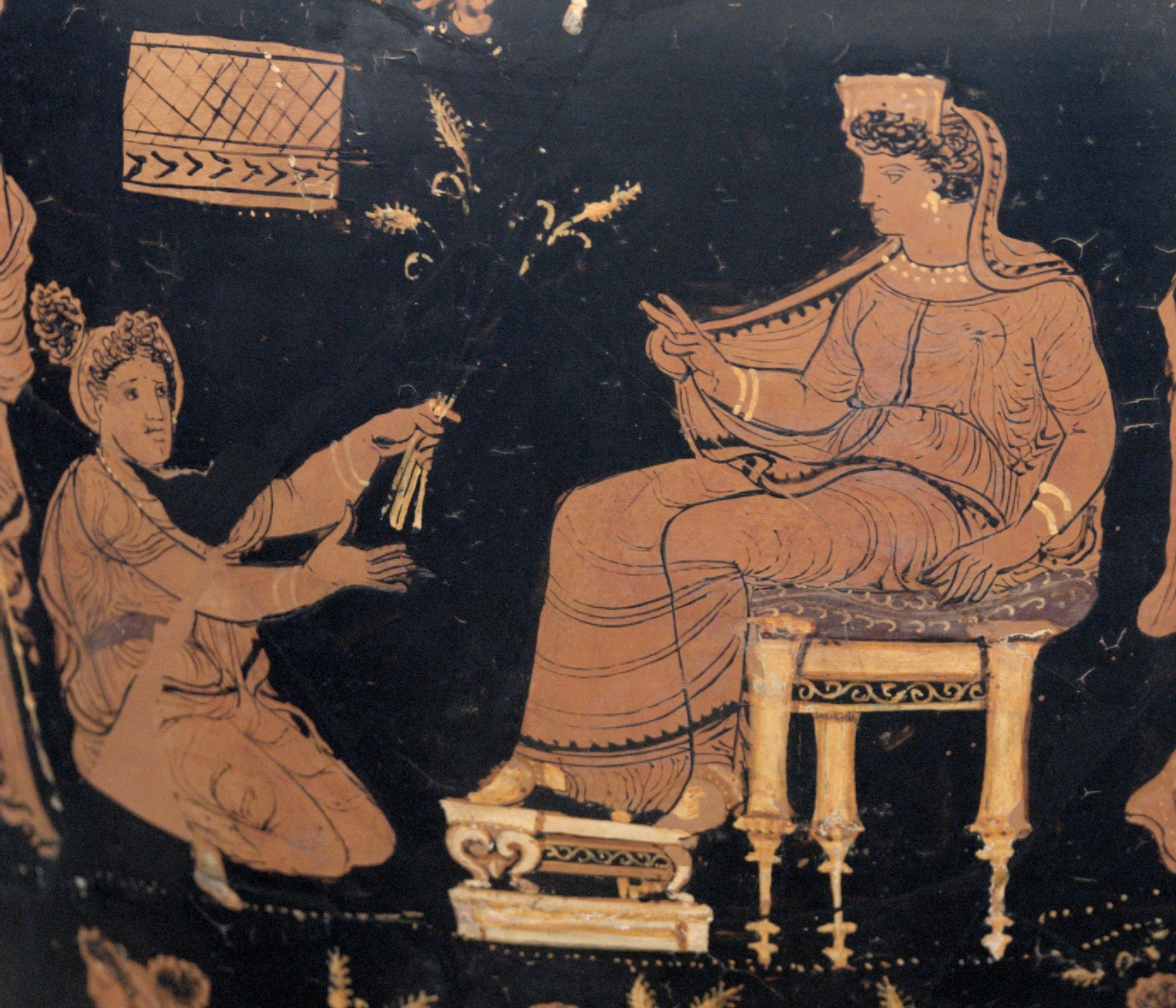
Eliade calls this the "revelation of the sacred," hierophany (CON-0015). The initiated person does not merely know more facts. The initiated person inhabits a different world, one in which the sacred is a dimension of reality that was previously invisible. The ordeal is the mechanism of transition between these two modes of being. Without the ordeal, the knowledge remains merely conceptual, a set of propositions about the sacred rather than an experience of it.
This is where Eliade's work becomes useful for the project. His structural observation (that the ordeal transforms consciousness, not just social status) is confirmed by every tradition the project examines. The Eleusinian mystes who emerged from the Telesterion was not the same person who entered. The experience was not educational. It was ontological. Eliade names this with precision: initiation is "a basic change in existential condition."
IV. Where the Map Becomes a Cage
Jonathan Z. Smith saw the problem first and stated it most clearly. Eliade's comparative method, by insisting on the universality of the initiatory pattern, systematically erases the differences that make each tradition what it is.
An Aboriginal puberty rite and the Eleusinian Mysteries share a tripartite structure in the same way a cathedral and a grain silo share the structure of enclosed vertical space. The observation is technically accurate and almost entirely uninformative about what either building does. The Eleusinian mystes chose to be initiated. The Aboriginal boy did not. The Mysteries promised a transformed relationship to death; the puberty rite disclosed the mythic charter of the community. The Mysteries were secret in the radical sense: disclosure was punishable by death. The puberty rite was secret only from women and children, and its contents were transmitted to every male member of the community.
These are not variations on a theme. They are different phenomena that happen to share a formal structure. Eliade's method registers the structure and misses the phenomenon.
The problem runs deeper than comparative imprecision. Eliade's concept of "archaic man," the pre-modern human who supposedly lived in continuous contact with the sacred, is a Romantic construction. It tells us more about Eliade's nostalgia than about any historical reality. The Australian Aboriginals whose rites he analyzes are not "archaic" in any useful sense. They are contemporary peoples with complex, historically situated cultures. To treat their practices as windows onto a primordial consciousness is to deny them their own historicity.
The project inherits this tension directly. The governing commitment, that the traditions describe something real, does not require Eliade's concept of primordial consciousness. It requires only that the practices accomplish something actual in the domain of experience. Eliade is right that initiation transforms consciousness. He is wrong to claim that this transformation recovers a mode of being that once existed universally and has been progressively lost. The traditions are not fossils of a primordial awareness. They are technologies developed over millennia for accomplishing specific operations in consciousness.
V. The Structuralist as Initiate
There is a deeper irony in Rites and Symbols that Eliade himself may not have recognized. His comparative method performs a version of the very operation it describes.
The scholar who reads across traditions, identifying the common pattern beneath surface variation, undergoes a cognitive transformation that mirrors the initiatory process. Before: each tradition appears isolated, locked in its own cultural context. After: a pattern becomes visible that no single tradition could reveal from inside. The scholar now sees what the uninitiated specialist does not. Something has happened to the scholar's perception. The parallel is almost too neat, and Eliade does not seem to notice it.
Eliade's method is itself an initiation into a way of seeing. And like all initiations, it confers both power and limitation. The power is structural perception: initiatory logic becomes recognizable wherever it appears. But the limitation is complementary. Once the pattern is acquired, it becomes self-confirming. Rituals look like initiation. Ordeals collapse into symbolic death. The taxonomy devours the territory. The lens reveals and conceals in the same gesture.
The project uses Eliade the way a navigator uses a chart drawn before satellite imagery existed. The coastlines are roughly right. The interior is speculative. The chart is indispensable for the voyage and must be corrected at every landfall. To throw it away because it contains errors would be foolish. To trust it without checking the depths would be fatal.
VI. What Eliade Cannot Reach
The deepest limitation of Rites and Symbols is not methodological but experiential. Eliade describes the initiatory ordeal from the outside. He maps its structure with precision no one has surpassed. He never crosses the threshold himself.
This is not a biographical criticism. We have no basis for knowing what Eliade did or did not experience in his own inner life. It is a structural observation about his method. Phenomenology of religion, as Eliade practices it, describes the form of religious experience without entering it. The Eleusinian mystes who emerged from the Telesterion transformed did not undergo a "tripartite initiatory process." That mystes underwent something for which the tripartite schema is a retrospective description: useful, accurate at the level of form, and completely silent about what the experience was like from inside.
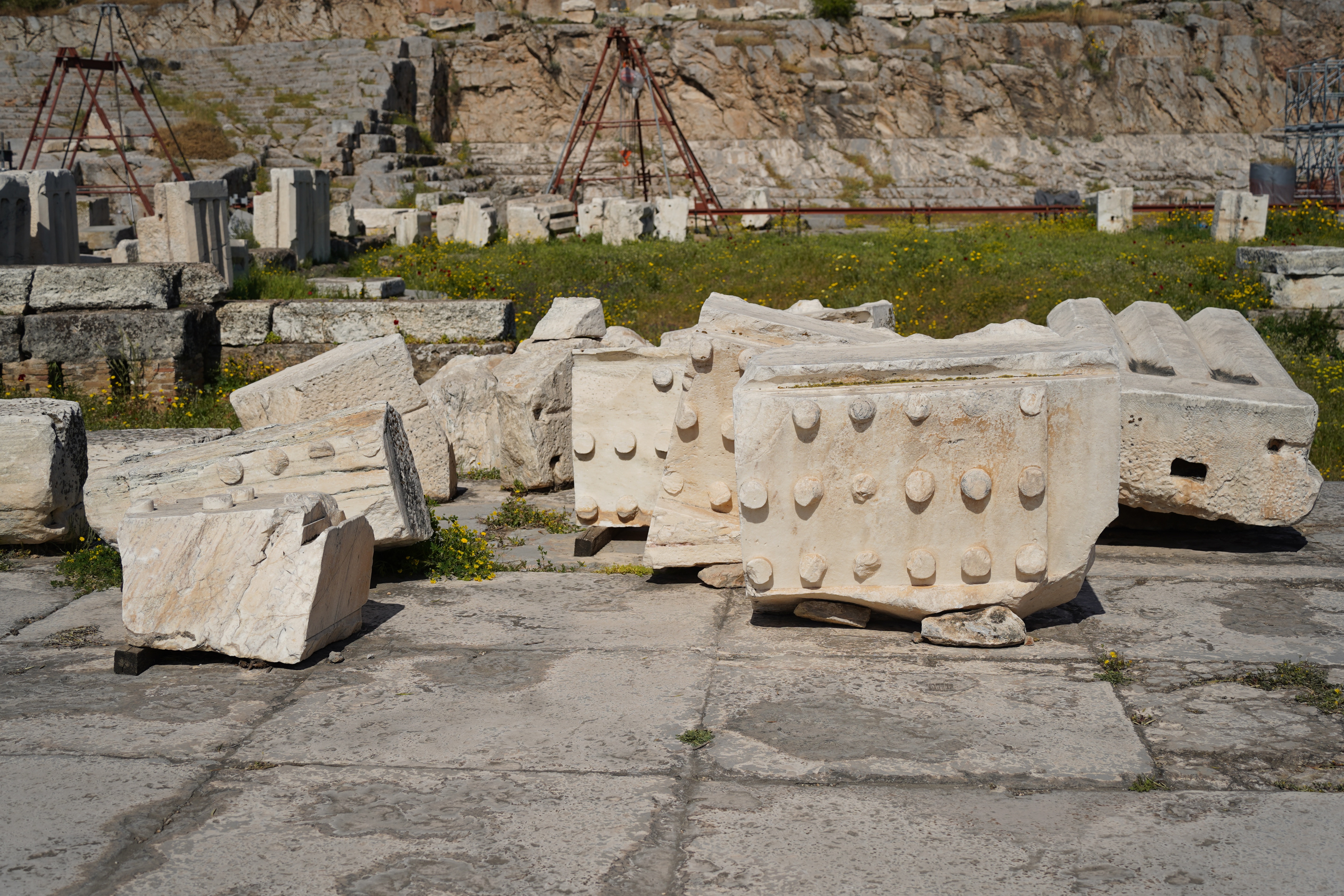
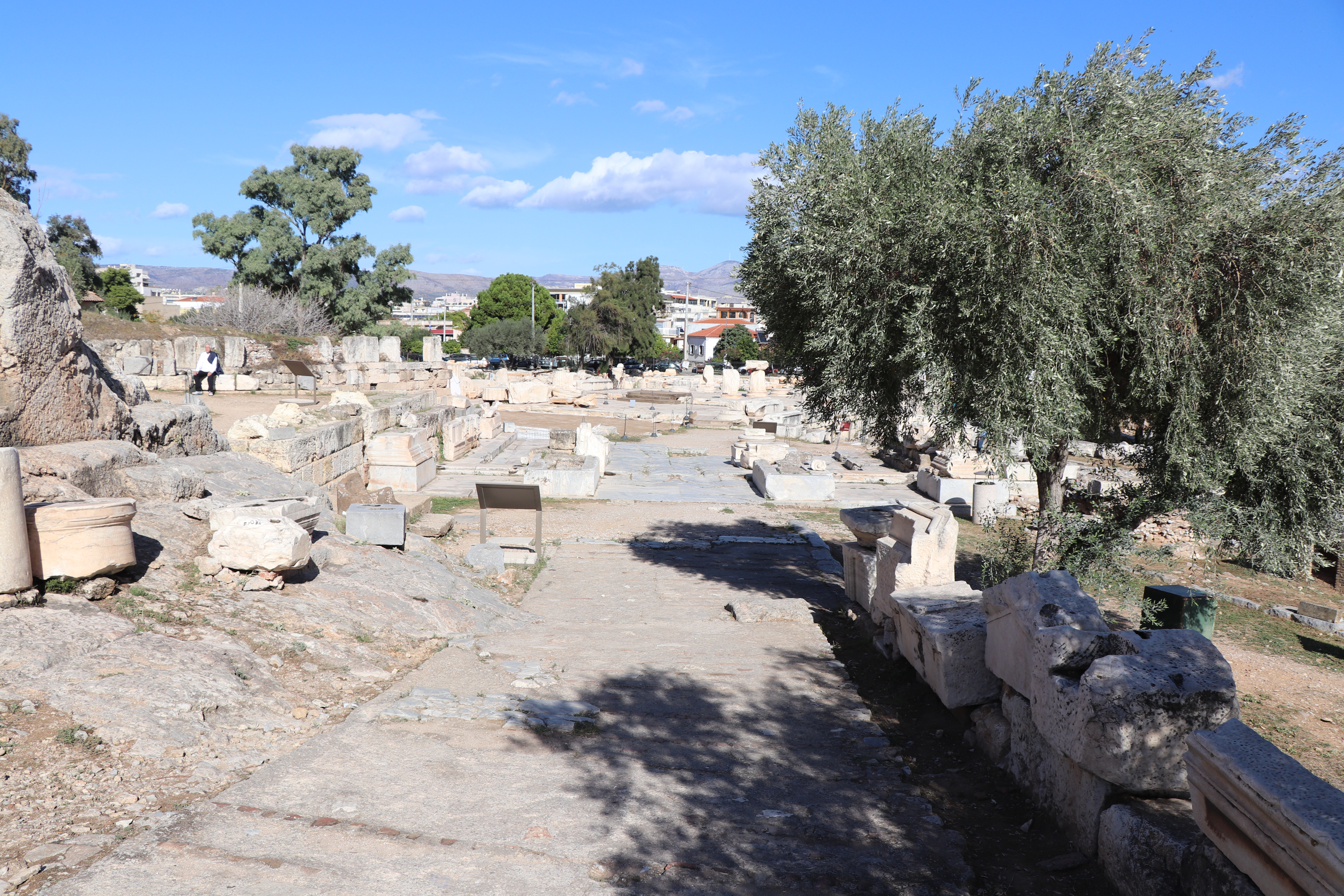
The project's question is always: what did the initiate experience? Not what structure does the ritual exhibit, but what happens in consciousness when the structure operates? Eliade gives us the architecture of the Telesterion. He does not tell us what happened when the light appeared in the darkness. Burkert gets closer. The neuroscience of psychedelic experience gets closer still. The primary texts (the Homeric Hymn to Demeter, the fragments of Pindar, the testimony of Plutarch) get closest of all, because they speak from inside the experience rather than about it.
Eliade is the indispensable first step. He teaches you what to look for. He cannot teach you what you will find. That requires crossing the threshold his method describes but does not enter. The Hierophant (CON-0010) stands at the door. The phenomenologist of religion describes the door. The initiate walks through it.
Rites and Symbols of Initiation draws the most precise map available of a territory its author observed but did not inhabit. The project begins where the map ends, at the threshold, facing the darkness, asking not what is the structure of the ordeal? but what does the ordeal do to the one who endures it?
Sources: Eliade, Mircea. Rites and Symbols of Initiation: The Mysteries of Birth and Rebirth. Trans. Willard R. Trask. Harper & Row, 1958. LIB-0293.