I. What Von Franz Heard
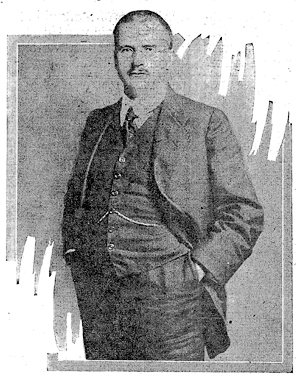
Marie-Louise von Franz spent decades doing what most scholars of the ancient world cannot do: she listened to patients. People walked into the consulting room in Kusnacht carrying dreams of animals and descents into darkness, of luminous women who commanded obedience. These were not scholars of Apuleius. They had not read the Metamorphoses. Yet the patterns of their inner lives mapped onto a second-century Latin novel with a precision that required explanation.
Von Franz's The Golden Ass of Apuleius is the product of that recognition. Based on lectures delivered at the C. G. Jung Institute in Zurich, the book reads Apuleius's novel not as literary criticism reads it (a picaresque adventure, a satire on Roman provincial life, a late antique curiosity) but as a Jungian analyst reads a dream: attending to its structure and its symbols, and above all to what the narrative does to the reader who follows it. The novel becomes a map of individuation (CON-0069) rendered in narrative form before the concept existed to name it.
This is the book's strength and its provocation. Von Franz is not arguing that Apuleius intended to write a Jungian case study. She is arguing something else: that the psyche has its own logic, that this logic precedes any theoretical framework, and that a second-century Platonic initiate and a twentieth-century analysand produce the same symbolic sequences because they are traversing the same territory.
II. The Donkey as Diagnosis
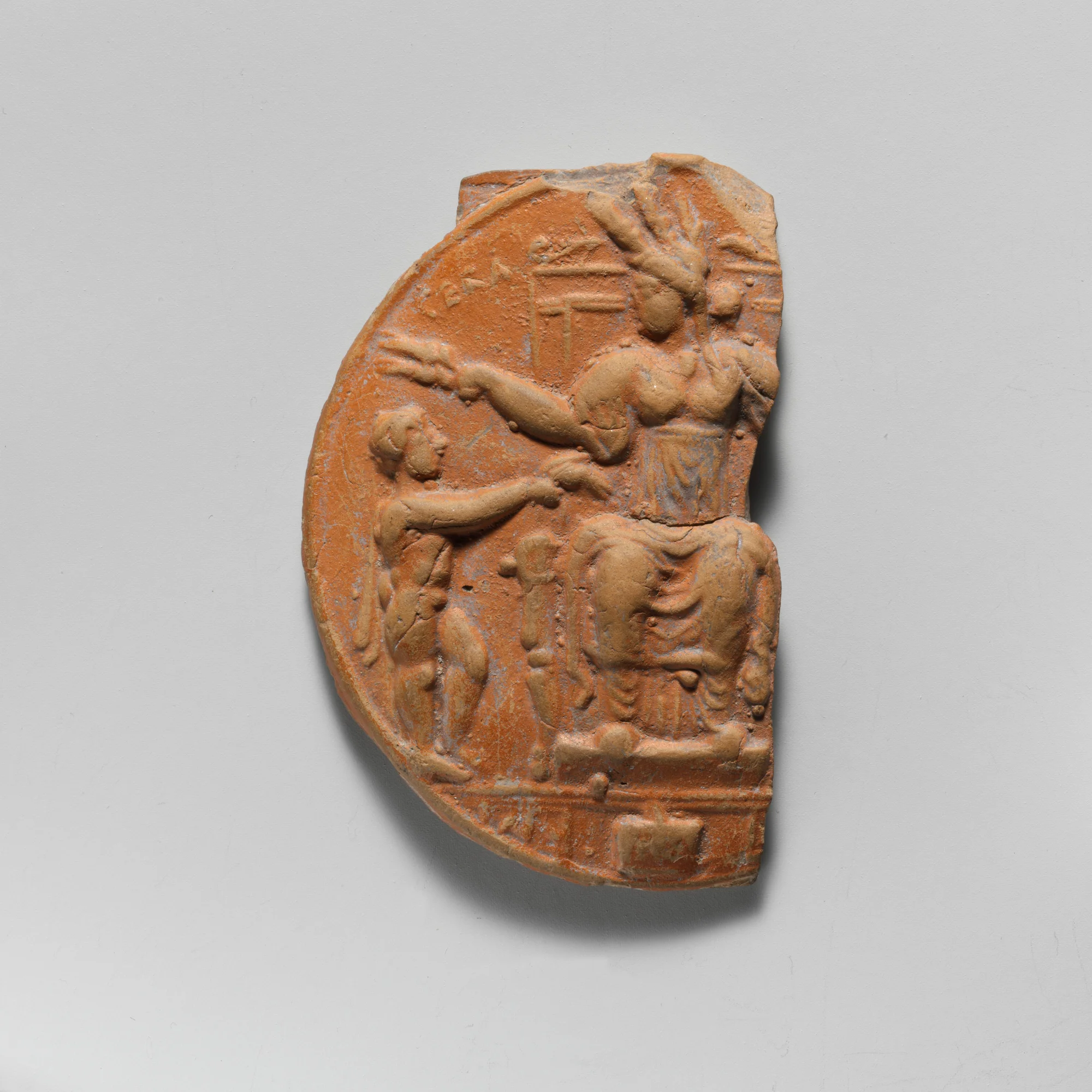
Lucius is transformed into a donkey because he grabbed at magic without preparation. Von Franz reads this with clinical directness: Lucius's curiositas is not a moral failing but a psychological one. He wants the numinous experience without the discipline it requires. He watches Pamphile transform into an owl (the bird of Athena, wisdom's animal) and demands the same power for himself. The wrong ointment is applied. He becomes an ass.
The donkey is not arbitrary. In Egyptian tradition, the ass is Set's animal: the force that dismembers Osiris, the enemy of Isis. Lucius does not merely lose his human form. He becomes the adversary of the very goddess who will eventually save him. Von Franz sees in this the structure she encountered clinically: the ego inflated by its desire for spiritual experience falls into identification with the drive it least understands. The shadow (CON-0070) does not simply appear. The ego becomes it.
Ten books of suffering follow. Lucius is beaten, starved, sexually exploited, nearly castrated by devotees of the Syrian goddess. The degradation is thorough. Von Franz reads each episode as a station in the dissolution of the inflated ego: not punishment but purgation. The unconscious, having swallowed the ego whole, subjects it to everything the ego refused to acknowledge about embodied existence: vulnerability, appetite, helplessness, the body's subjection to forces it cannot control.
The clinical parallel is depression. Not the ordinary unhappiness Freud distinguished from neurosis, but the specific depression that attends a failed attempt at individuation: the ego that reached for wholeness and fell into fragmentation. Von Franz argues that Apuleius describes this process with a precision available only to someone who had either witnessed it clinically or undergone it himself.
III. Psyche's Descent
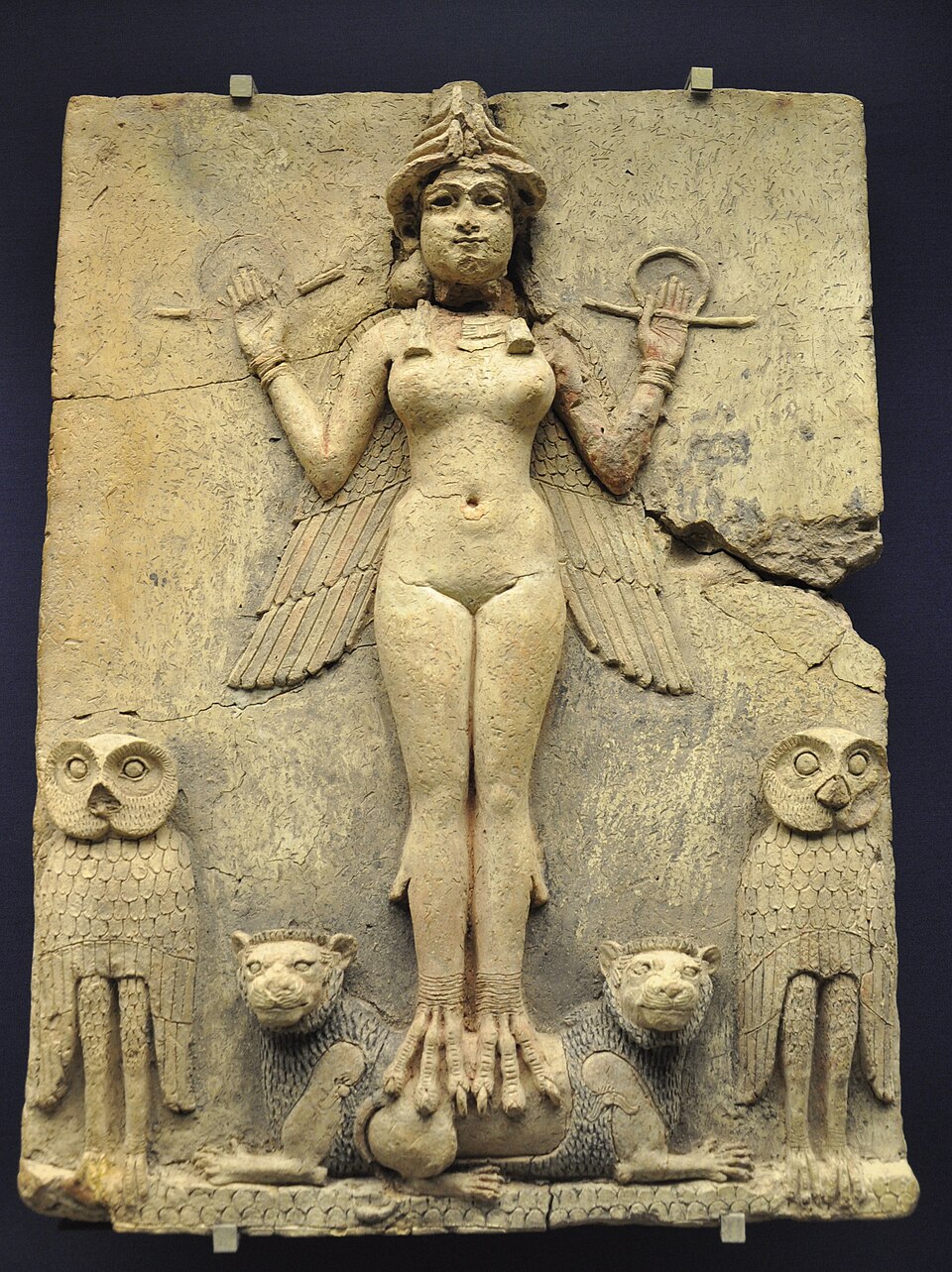
Embedded in the center of the novel, Books IV through VI, is the tale of Cupid and Psyche. A young woman of unbearable beauty is married to an invisible god. She is forbidden to see his face. She sees it. He vanishes. She must descend to the underworld to recover what she has lost.
Von Franz treats this tale as the feminine counterpart of Lucius's masculine journey, the anima's (CON-0071) own individuation narrative nested inside the larger frame. Psyche's tasks are not fairy-tale ordeals but precise images of psychological differentiation. Von Franz reads each in detail. Seeds are sorted: the capacity to distinguish one impulse from another. Golden fleece is gathered from the brambles after the rams have passed, which means masculine power is approached indirectly rather than seized head-on. The descent to Persephone for a box of divine beauty is the katabasis (CON-0002) itself, the journey into the underworld that every initiatory tradition places at the center of transformation.
The detail that matters most is the box. Persephone gives Psyche a box of beauty to carry back to Aphrodite. Psyche opens it. She falls into a death-like sleep. Von Franz reads this as the moment where the feminine principle, having successfully completed the descent, is overwhelmed by the very thing it sought, the numinous beauty of the unconscious. Only Eros's intervention, the god who descends to wake her, prevents permanent dissolution.
The structural argument is precise: Lucius's journey and Psyche's journey are the same process viewed from two angles. Lucius falls through masculine inflation, the grab for power without preparation. Psyche falls through feminine inflation, the desire to see what must remain invisible, followed by the desire to possess beauty that belongs to the gods. Both require divine intervention to complete the circuit. The ego cannot individuate by its own efforts. Something must come from beyond the ego's capacity to produce it.
IV. Isis as the Self
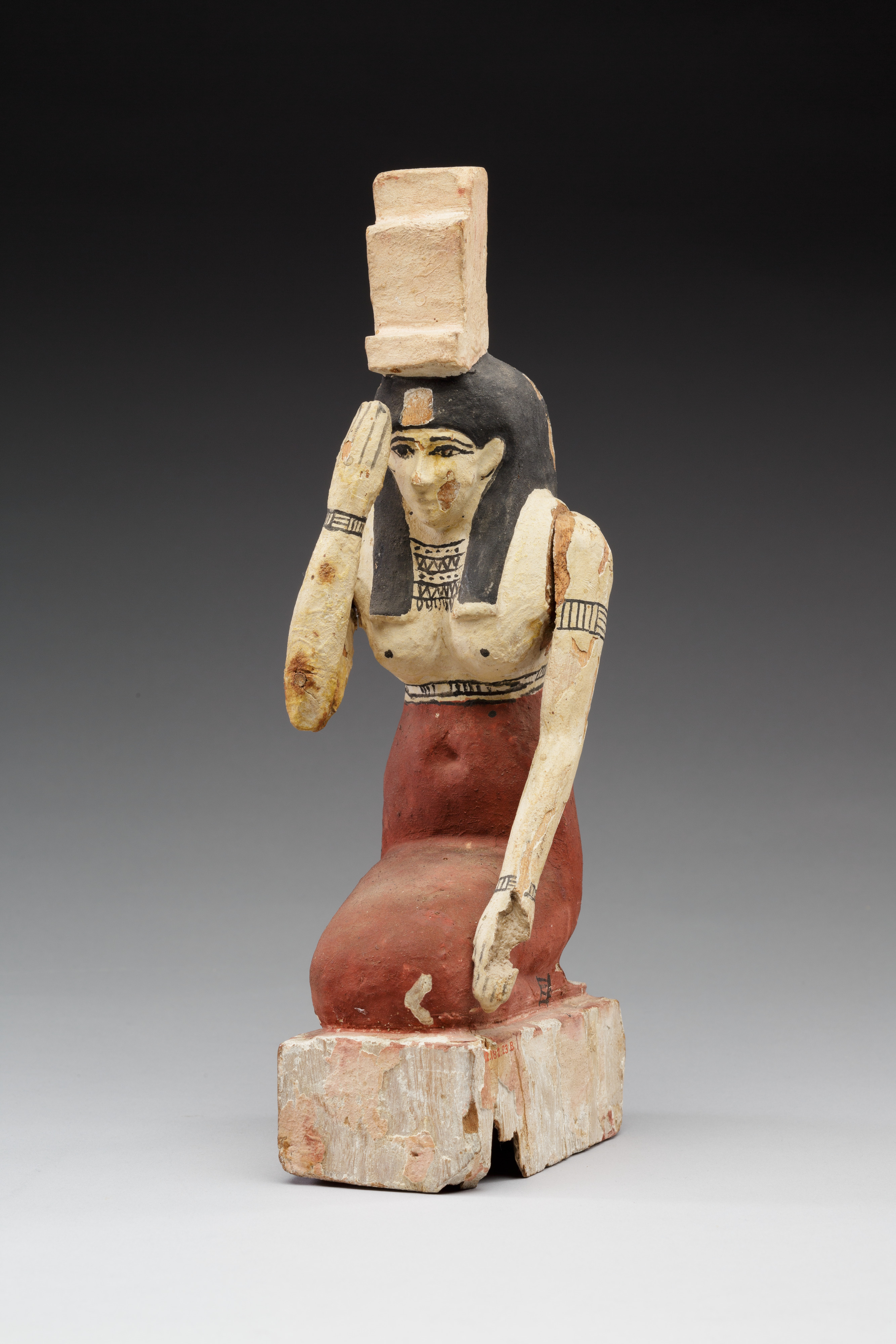
Book XI of the Metamorphoses is where Apuleius stops being a novelist and starts testifying. Lucius, at the absolute nadir of his degradation, lies on a beach at Cenchreae and prays to the moon. Isis appears. She names herself as the single form behind every goddess the world has known, queen and mother and mistress of every element. She instructs him: eat the roses from the priest's garland during tomorrow's procession. He obeys. He is restored.
Von Franz reads this scene with the seriousness it demands. Isis is not a convenient plot device to end the suffering. She is the anima in its highest form: what Jung called the anima as Sophia (CON-0042), wisdom personified, the psyche's own capacity for wholeness when it has been activated by sufficient suffering and sufficient surrender. Lucius does not earn his restoration through effort. He earns it through exhaustion. Ten books of helplessness have dissolved the ego structure that grabbed at Pamphile's ointment in Book III. What remains can receive what the goddess offers.
"I approached the boundary of death, I trod the threshold of Proserpina, I was borne through all the elements and returned." The initiation that follows (CON-0001) is, in von Franz's reading, the ritual confirmation of a process that has already occurred psychologically. The ten books of donkey-suffering constitute the initiation. The ceremony in Book XI names and sanctifies what the unconscious has already accomplished. This is the relationship between individuation and ritual that the project must hold carefully: the outer ceremony does not produce the transformation, but the transformation is not complete without it.
V. The Analyst's Limitation
Von Franz's reading illuminates something genuine. The structural parallels between Apuleius's narrative and clinical individuation are not projection: they are too specific, too consistent, and too deeply embedded in the novel's architecture to be artifacts of interpretive enthusiasm. The donkey as shadow identification. The embedded feminine journey as anima differentiation. The divine feminine as the Self's first appearance. The sequence is precise, and it recurs in analysands who have never heard of Apuleius.
The limitation is equally real. Von Franz reads the Isiac Mysteries (CON-0085) as projections of inner psychological processes. Isis is the Self. The initiation is individuation's ritual form. The elements through which Lucius passes are stages of psychological integration. Everything external becomes a symbol of something internal.
This is the move the project respects and resists. Jung and von Franz identified the psychological dimension of the mystery experience with unmatched precision. They mapped the inner territory. But the traditions themselves insist that the territory is not merely inner. Isis is not a symbol of the Self. Isis is Isis. The katabasis is not a metaphor for ego-dissolution. It is a descent. The midnight sun Lucius sees is not a psychological compensation for darkness. It is light in a place where light should not be.
Corbin's critique applies here: the Jungian reduction of the imaginal to the psychological flattens a dimension the traditions hold open. The mystery is not that the psyche produces these images. The mystery is that reality is so structured that the psyche's images and the cosmos's architecture correspond. Von Franz maps one side of the correspondence with extraordinary skill. The other side, the ontological claim that the traditions themselves make, lies beyond her method's reach.
VI. What the Book Unlocks
Von Franz gives the project something no other interpreter provides: a reading of The Golden Ass that takes the suffering seriously. Literary critics tend to treat the picaresque episodes as entertainment. Historians of religion skip to Book XI. Von Franz insists that the ten books of degradation are the essential preparation, that without the donkey's suffering, the goddess's appearance is incomprehensible. The initiation is not a reward for endurance. It is the fruit of a dissolution so thorough that the ego-structure that prevented contact with the sacred has been consumed.
Von Franz provides the psychological architecture for the two episodes gated on this essay: the Mystery Schools track on the Golden Ass as a novel of initiation (MS-S01-E05) and the Western Canon treatment of Apuleius (WC-SA-E10). She shows how the novel works as an initiatory document: not through allegory (each episode standing for a concept) but through enacted transformation (each episode doing something to the protagonist's psychic structure that makes the next stage possible).
The project takes this architecture and carries it further than von Franz does. Where she sees individuation, the project sees initiation. Where she sees the Self, the project holds open the possibility that Isis names something the Self does not exhaust. Where she finds the donkey's suffering explained by clinical parallel, the project finds it explained by the traditions' own testimony: that the sacred cannot be approached by an ego organized for self-preservation, and that the reorganization required is not gentle.
Von Franz read Apuleius the way a skilled analyst reads a dream: patiently, attentively, armed with a framework adequate to the dream's internal logic. The project reads Apuleius the way an initiate reads a map of territory ahead: not to interpret it, but to know what it will cost.
Sources: von Franz, Marie-Louise. The Golden Ass of Apuleius: The Liberation of the Feminine in Man. Shambhala, 1992. LIB-0223.