Mystery Schools AI Podcast
A long-form podcast on esoteric philosophy, initiatic traditions, and the evolution of consciousness, from the Eleusinian Mysteries to artificial intelligence.
7 tracks · 25 series · ~231 episodes
Listen to the first episode →Or explore the reading room below. New to Eleusis?
Start Here
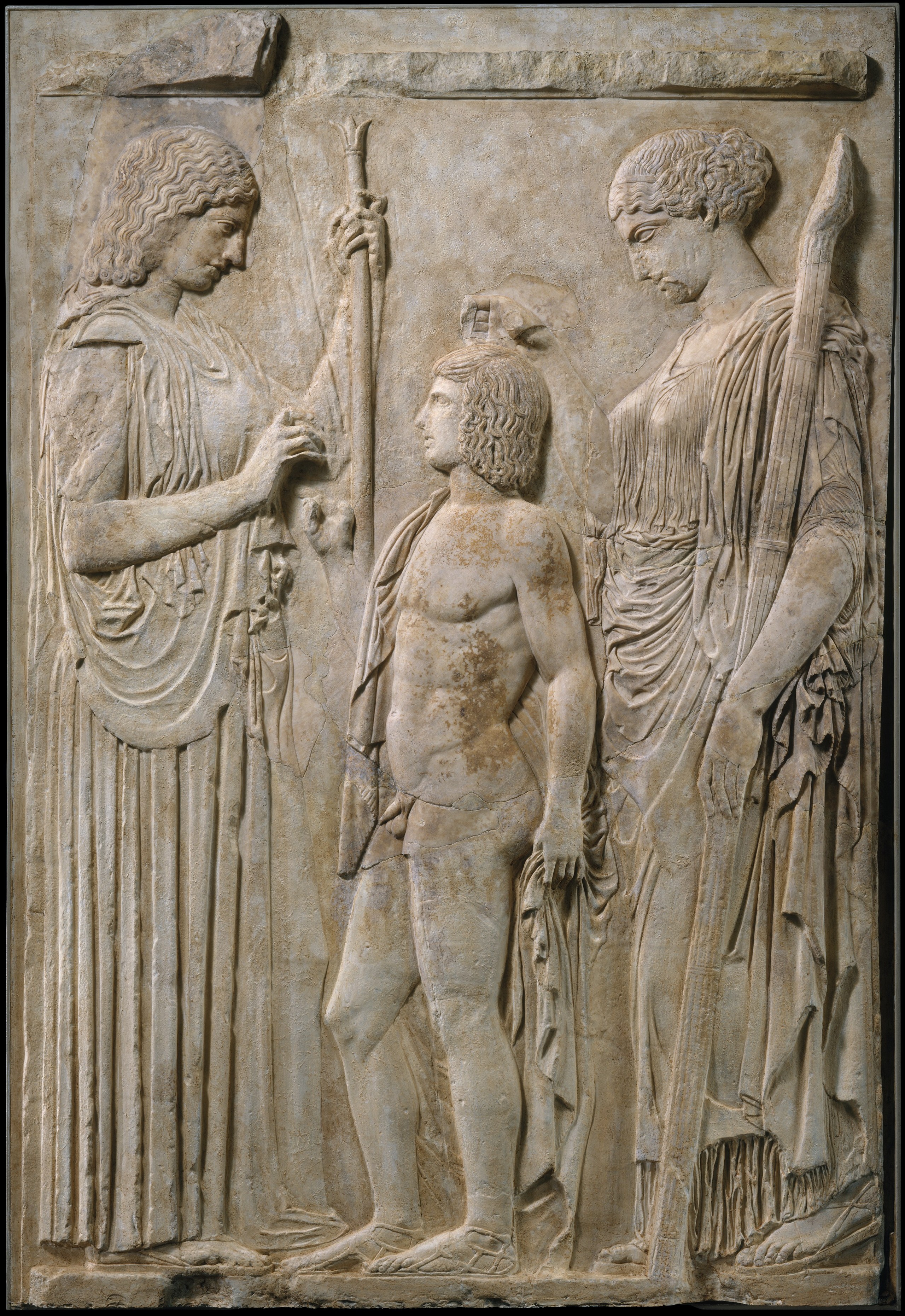
Episode
What Was Lost at Eleusis
The first full episode and the best place to enter the project as a listener.
Library
346 Sources
The full research bibliography — primary texts, scholarly works, and esoteric literature across every tradition.
Knowledge Graph
Concepts, Figures & Connections
Every concept, figure, and source in the project — mapped and interconnected.
Episodes
93 episodes
What Happened Inside the MysteriesReading edition live; audio edition temporarily offline
In Production
The Meta-Project: AI and the Mystery SchoolsWhat happens when AI agents collaborate on a podcast about sacred knowledge traditions
What Was Lost at EleusisThe rites that shaped Western civilization — and their disappearance
Listen
The Kykeon: What They DrankThe entheogenic hypothesis and the chemistry of transformation
Before the Greeks: Egyptian Rites and Sumerian DescentsThe prehistory of initiation — Isis, Osiris, Inanna
Initiation: The Structure of Dying Before You DieEliade's pattern, Van Gennep's thresholds, the ritual technology
The Golden Ass: A Novel of InitiationApuleius' Metamorphoses as the only surviving literary account
Consciousness Has a HistoryThe Gebser-Barfield thesis — archaic, magical, mythical, mental, integral
The Cave and the LightPlato's cave allegory as initiation narrative
The Perennial QuestionGuénon, Schuon, and the Traditionalist claim — a critical engagement
Why the Silence?Secrecy vs. ineffability — the epistemic heart of esoteric knowledge
The Map of the TerritoryFrom Eleusis to AI — the thesis of the show
The Temples of the NileEgyptian Mysteries — temple architecture as initiatic technology
Orpheus at the GateThe Orphic tradition — descent, return, and the gold tablets
The Number and the Lyre: PythagorasMathematics as mystical practice — the school at Croton
Socrates' Last LessonThe Phaedo — philosophy as the art of dying
The Hermetic RevelationThe Corpus Hermeticum and the foundation of Western esotericism
Fire and the Bull: MithrasThe Mithraic mysteries — grade initiations and the tauroctony
The Return of the Soul: PlotinusNeoplatonism — henosis and union with the One
Theurgy: When Philosophy Became RitualIamblichus' radical turn — divine work through material symbols
The Gnostic SchoolsNag Hammadi, Valentinus, and the demiurge problem
The Religion of NumaRoman Mystery cults and Numa's legislation
The Death of the MysteriesTheodosius, the destruction of Eleusis, and what survived
Plutarch at DelphiThe philosopher-priest who bridged old and new
Theosis: The Christian MysteryEarly Christian mysticism as continuation of Hellenistic initiation
The Hymn of the PearlA single Gnostic poem as a complete initiatic narrative
The World of the ImageCorbin's Mundus Imaginalis — the imaginal is not the imaginary
Letters of Light: KabbalahSefer Yetzirah, the Zohar, and Luria's cosmic drama
The Architecture of Hell: Dante as InitiateThe Commedia as initiatic journey — Guénon's reading
The Grail and the WoundThe Fisher King, the question that heals, and the Grail quest
Courtly Love and the TroubadoursEsoteric teaching disguised as love poetry — Couliano's thesis
The Alchemist's FireAlchemy as inner science — solve et coagula
The TemplarsHistory vs. legend — what the trial records actually say
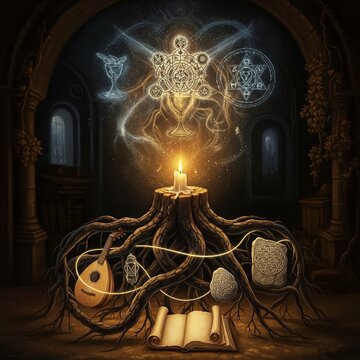
The Memory of the TrouvèresOral transmission and memory arts in the medieval world
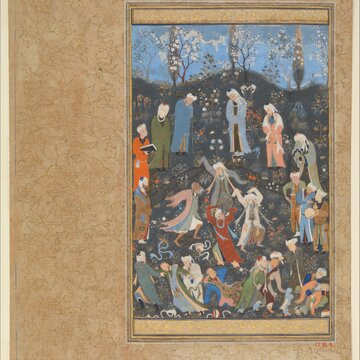
The Sufi LodgesInstitutional parallels to Western lodge systems
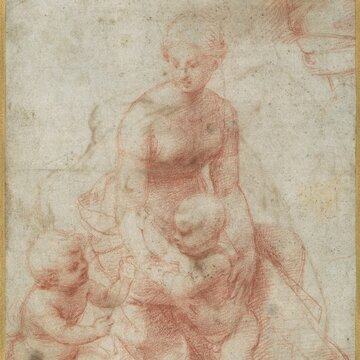
Meister Eckhart and the Rhineland MysticsThe radical apophatic tradition within Christianity
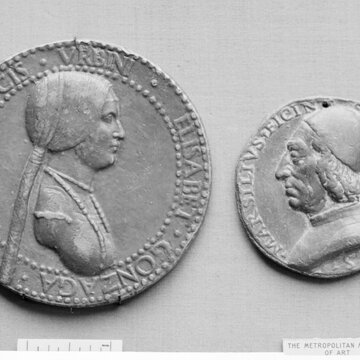
The Manuscript That Changed EverythingFicino, Cosimo's manuscript, and the Hermetic revival
900 Theses: Pico della MirandolaThe Oration on the Dignity of Man as esoteric manifesto
The Art of Memory: Bruno's Infinite WorldsGiordano Bruno's memory as magical technology
The Magus and the Angels: John DeeEnochian, angelic conversations, and Elizabethan magic
The Invisible CollegeThe Rosicrucian Manifestos and the idea of universal reformation
Eros and Magic: Couliano's ThesisRenaissance magic as a science of manipulation — and his murder
The Magic of DesireEros as initiatory force — Diotima, Couliano, and the engine of transformation
The Chymical WeddingClose reading of the third Rosicrucian manifesto
The Hermetic Tradition in ArtBotticelli's Primavera, Dürer's Melencolia I
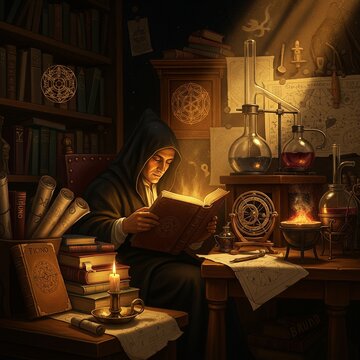
Newton's Other LibraryThe alchemical Newton — Chambers' Metaphysical World
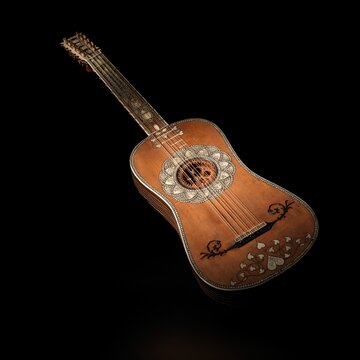
Matteo Ricci's Memory PalaceHermetic arts traveling to China — Spence's work
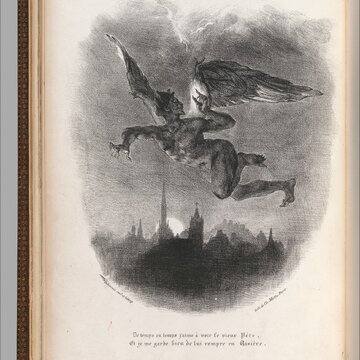
Faust and the MothersGoethe’s Faust as the great modern initiation drama
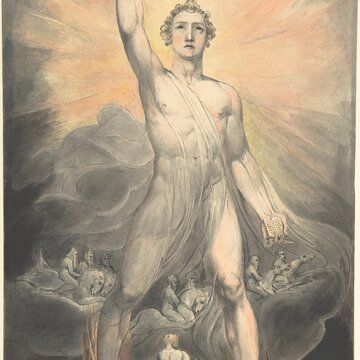
The Marriage of Heaven and HellWilliam Blake’s visionary system — contraries, Los, Urizen
The Blue FlowerNovalis and German Romanticism as esoteric movement
The Secret DoctrineBlavatsky and the Theosophical revolution — bridge to the operative tradition

The Golden DawnThe Victorian magical revival — Qabalah, Rosicrucianism, and the grade system
The Sea PriestessDion Fortune, the Society of the Inner Light, and the Magical Battle of Britain
How to Know Higher WorldsRudolf Steiner’s epistemology and Anthroposophy

The Fourth WayGurdjieff, self-remembering, and conscious labor
The Reign of QuantityGuénon’s diagnosis of modernity and the Traditionalist school
Meditations on the TarotTomberg’s anonymous work — the culmination of Christian Hermeticism
Jung and the Red BookThe archetypal unconscious as modern Mysterium
Evola’s Dangerous PathRide the Tiger — the problem of action in the Kali Yuga
Ouspensky’s SearchThe student who diverged from Gurdjieff — and what the divergence reveals

Scaligero and Living ThinkingPost-Steinerian pure thought as meditation
The Hardening of the WorldBarfield’s thesis — the loss of participation
Gestell: Heidegger and the EnframingTechnology as a mode of revealing that reduces everything
The PharmakonStiegler — technology as simultaneously poison and remedy
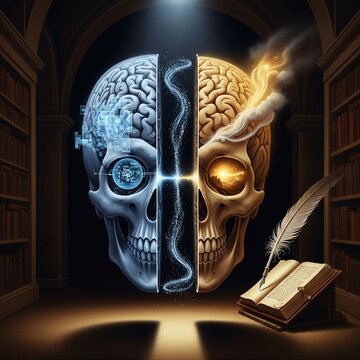
The Divided BrainMcGilchrist’s hemispheric thesis and consciousness evolution
The Psychedelic RenaissanceEntheogens, neuroscience, and what the Mysteries knew
The Body RemembersSomatics, ritual, and the transformation of embodied experience
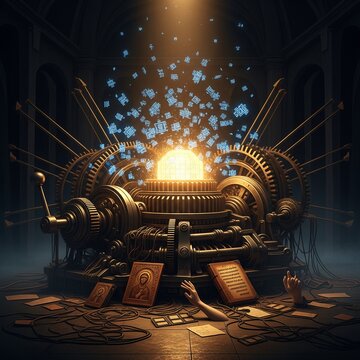
The Apophatic MachineAI defines by exclusion what cannot be computed
What RemainsThe Mysteries as a persistent response to consciousness
Order Out of ChaosPrigogine and dissipative structures as initiatic metaphor

The Contemporary ConditionThe convergence of Barfield, Gebser, Heidegger, McGilchrist on one diagnosis
An InvitationWhat this project asks of its listeners — and what it does not
The WoundNietzsche, Harrison, and the diagnosis of the originary wound
The GrammarVan Gennep, Turner, and the deep structure of initiation
The Sacred and the ProfaneEliade’s phenomenology of the sacred, with Smith’s corrective
The Consciousness ArgumentBarfield, Gebser, McGilchrist — three disciplines, one diagnosis
The Psyche’s DemandJung and the initiatory imperative of the Self

The Absorbed MysteryChristianity as a mystery religion that forgot it was one
The SackingsA historical inventory of initiatory destruction
The Counter-InitiationGuénon’s dangerous question — is the destruction organized?
The DisplacementsWhere initiatory energy goes when the containers are removed
The DefenseWhat a rigorous defense of mystery would look like
The Magician’s HeirCouliano and the migration of operative magic into modernity
The Darkened RoomFilm as occult technology — the cinema inherits the Telesterion
The PractitionersAnger, Wasserman, and the documented operative current
The Detuned WorldSacred sound and its progressive desacralization
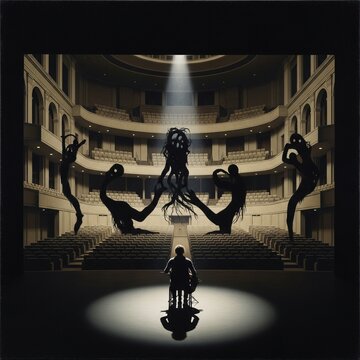
The Anti-TelesterionThe modern concert as inverted mystery rite
The Broken ContainerO9A and the weaponization of initiatory form
The Displaced RitesModern containers for ancient impulses
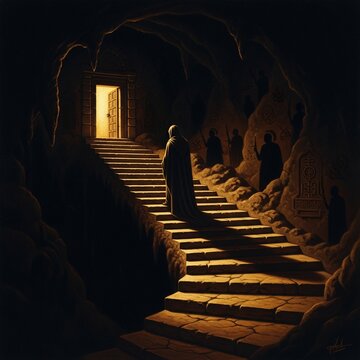
The Apophatic QuestionBataille, Foucault, Derrida — katabasis with no return
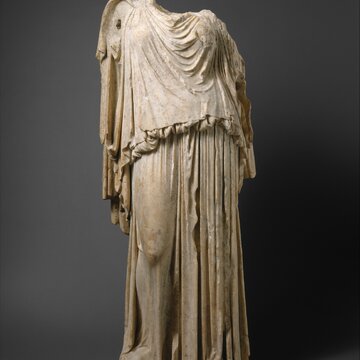
The ThesmophoriaAthens’ oldest festival — the feminine mystery that was always there
She Who KnowsFemale alchemists, Beguines, and the burning of Marguerite Porete
The Interior CastleTeresa, Hildegard, Julian — the architecture of feminine initiation
The RecoveryGimbutas, feminist thealogy, and what the evidence base reveals
Western Canon
55 episodes
Before Philosophy: Hesiod's TheogonyThe mind that saw gods — original participation in action
The Singing Cosmos: The Pre-SocraticsHeraclitus, Parmenides, Empedocles — the last philosopher-initiates
The Tragödía: Aeschylus and the Public MysteryGreek tragedy as civic Mystery rite — the Oresteia
Sophocles at ColonusOedipus and the threshold — the most initiatic Greek tragedy
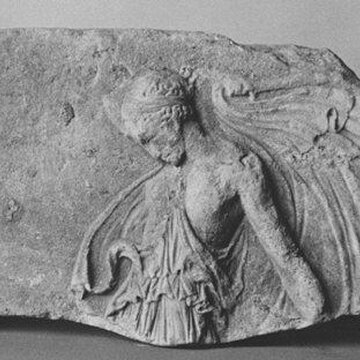
The Bacchae: Euripides' WarningWhat happens when the Mystery impulse is repressed
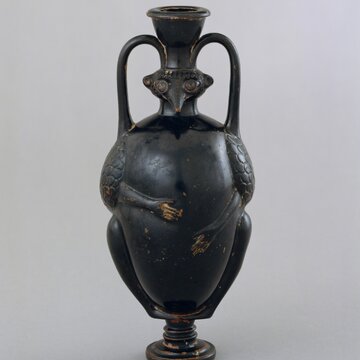
Aristophanes' Frogs: Comedy as DescentDionysus descends to Hades — the comic katabasis
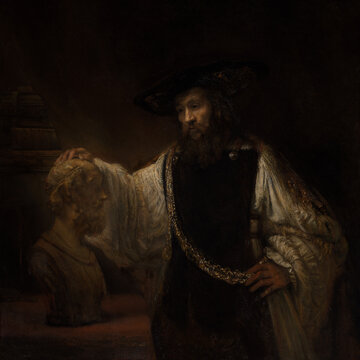
Homer's Two JourneysThe Iliad and the Odyssey as the complete initiatic arc
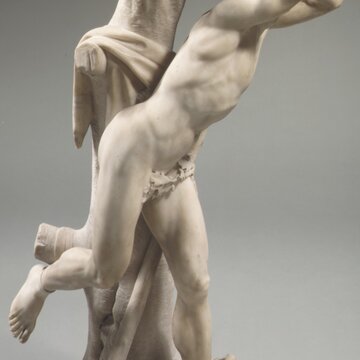
Ovid's Metamorphoses: The World as TransformationEvery myth is a story of becoming — initiation as form
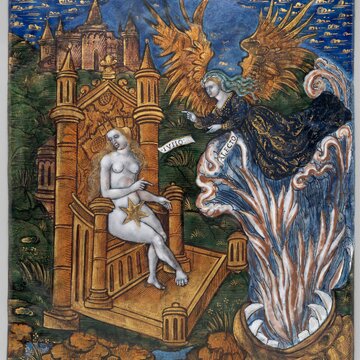
Virgil's Aeneid: The State MysteryRome's founding myth as an initiatic narrative — the golden bough
Apuleius Revisited: The Golden Ass in FullThe only surviving literary account of Mystery initiation
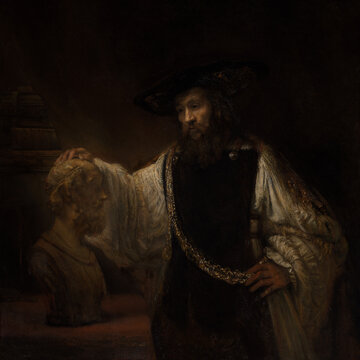
Aristotle's Unmoved MoverThe philosopher who systematized participation out of philosophy
Boethius in the CellThe Consolation of Philosophy — Lady Philosophy as late-antique Isis
The Memory PalaceCarruthers' thesis — medieval memory arts as consciousness technology
The Stones That SingGothic cathedrals as initiatic architecture — sacred geometry in stone
Beowulf and the Northern MysteriesThe dragon fight as initiatic ordeal — Germanic and Norse streams
The Mabinogion and the Celtic OtherworldWelsh mythology — the porous boundary between worlds
Chaucer's PilgrimageThe Canterbury Tales — medieval consciousness in all its registers
The Rubaiyat and the Sufi WineOmar Khayyam's esoteric love poetry in FitzGerald's translation
Dante's Architecture of the InvisibleTerza rima as consciousness structure — the Commedia's formal properties
The Morte DarthurThe Grail quest as the event that breaks the Round Table
Ibn Khaldun and the Cycles of CivilizationThe Muqaddimah — civilizational theory meets Traditionalist cosmology
Botticelli's PrimaveraPainting as magical operation — Couliano's framework
Machiavelli and the Disenchanted PrinceThe first fully hardened political text
Spenser's Faerie QueeneAn entire initiatic curriculum encoded in English poetry
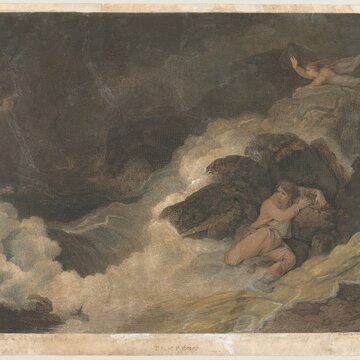
Shakespeare's Tempest: The Magus RenouncesProspero as Dee, Ficino, or Bruno in dramatic form
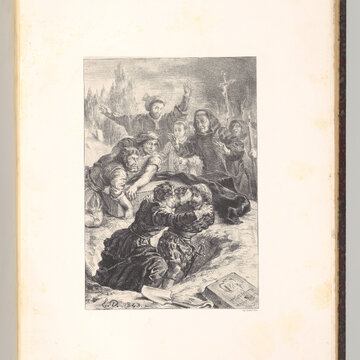
Shakespeare's Hamlet: The Play Within the PlayA consciousness aware of its own theatricality — paralyzed
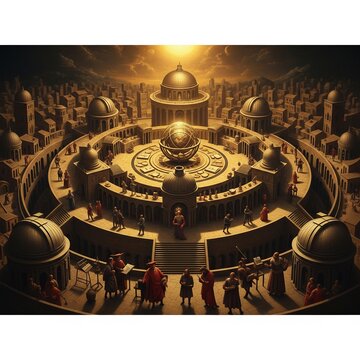
Campanella's City of the SunUtopia as secularized Mystery aspiration
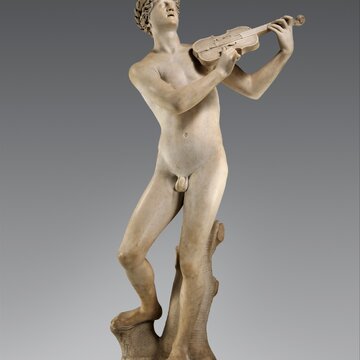
Monteverdi and the Birth of OperaThe Orphic return — opera as an attempt to rebuild the Telesterion
Cervantes' Don QuixoteThe knight of the counterfeit initiation — the first modern novel
Milton's Paradise LostSatan as the most compelling failed initiate in literature
The Closing of the Renaissance MindCouliano's thesis — Reformation and Counter-Reformation conspired
Kant's WallThe Critique of Pure Reason — mapping the prison of mental consciousness
Hegel's PhenomenologyConsciousness watches itself — the most ambitious inner history
Goethe's Colour: The Alternative ScienceThe Theory of Colours as epistemological rebellion
The Rime of the Ancient MarinerColeridge's initiatic poem — violation, katabasis, cursed return
Keats and Negative CapabilityRemaining in uncertainties and Mysteries without reaching after fact
Shelley and Byron: Promethean FireTwo modes of the Romantic response — submission vs. refusal
Schopenhauer's Veil: The World as WillWill as cosmic ground — the Western philosopher closest to Vedantic non-dualism
Moby-Dick: The White MysteryAhab as the failed Magus — the white whale as the noumenon
Dostoevsky's Underground ManThe Grand Inquisitor — freedom, suffering, and the Church's betrayal of Christ
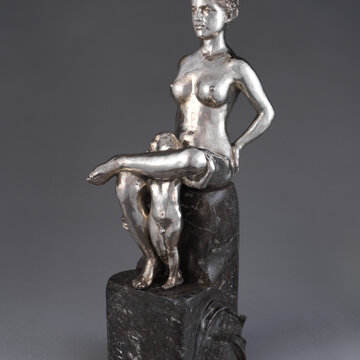
Nietzsche: The Death of GodGod is dead as catastrophe, not triumph — the Eternal Return as test

Wagner's Ring: The Total Work of ArtBayreuth as secular Telesterion — the Gesamtkunstwerk
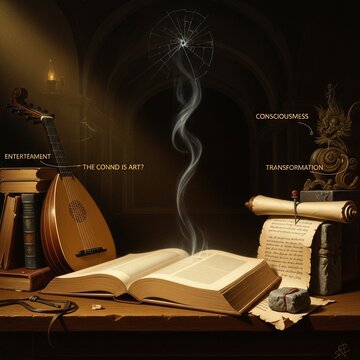
Tolstoy and the Question: What Is Art?Art that does not transform consciousness is entertainment
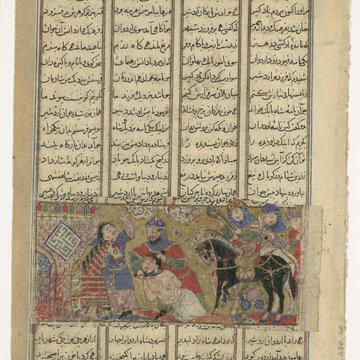
The Waste Land: Eliot's GrailFragments shored against ruins — the Fisher King in modernism
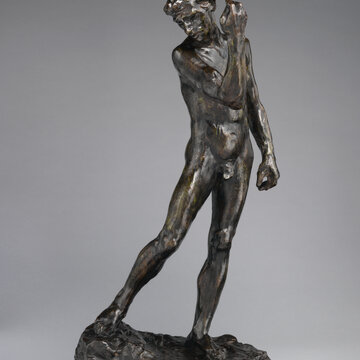
Rilke's AngelsThe Duino Elegies — every angel is terrifying
Ulysses: Joyce and the LabyrinthJoyce's map of ordinary consciousness — every hour of a single Dublin day

Kafka's Trial: Initiation DeniedPermanent liminality without resolution — bureaucratic consciousness

Hesse's Glass Bead GameThe synthesis achieved — and Knecht's recognition of its incompleteness
Faulkner's Voices: Consciousness FragmentedFifteen consciousnesses orbiting a single death
Tarkovsky: Cinema as Sculpting in TimeThe Zone as cinematic Telesterion — film as consciousness technology
Philip K. Dick: The Gnostic in the MachineVALIS and the 2-3-74 experiences — modern theophany
Borges, Eco, and the Library of BabelTotal information without meaning — the condition AI produces

The Beats and the Eastern TurnMass uninstructed initiation — without Hierophants or preparation
The Pre-Raphaelites and the Backward GlanceRecovering pre-hardening modes of seeing — necessary and insufficient
Where We Are NowThe full trajectory — from seeing gods to building machines to replace them
Eastern Traditions
50 episodes
The Fire AltarThe Vedic sacrifice as consciousness technology — Agni as mediating fire
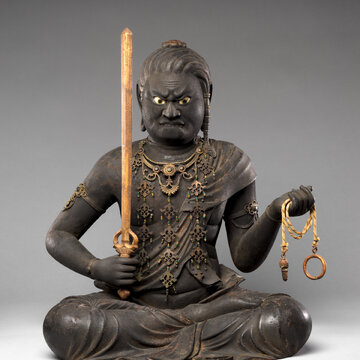
That Thou Art: The Upanishadic RevolutionTat tvam asi — the Upanishadic revolution in four words

The Song of God: The Bhagavad GitaKrishna's instruction — the three yogas and the battlefield setting
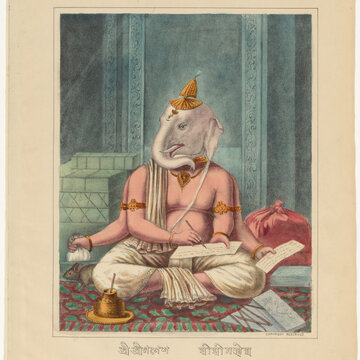
The Great War: The MahabharataThe world's longest poem as a total initiatic curriculum
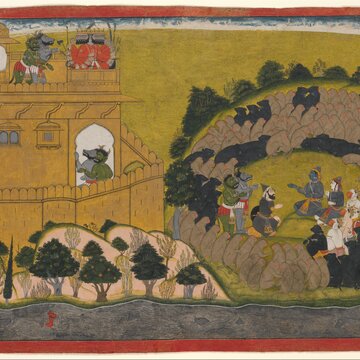
Rama's Exile: The RamayanaThe dharmic hero — exile as katabasis, trial by fire
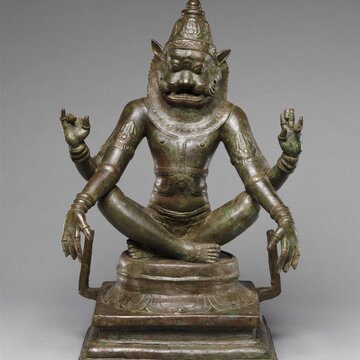
The Eight Limbs: Patanjali's Yoga SutrasYoga as precise consciousness technology — samadhi and henosis
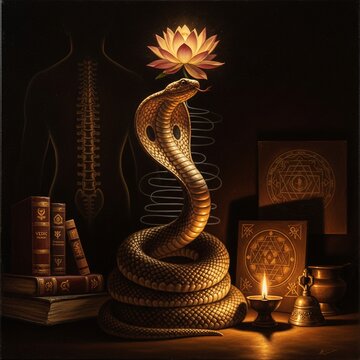
The Serpent Power: Kundalini and TantraThe Indian tradition most analogous to Western operative magic
The Dreaming Body: Yoga NidraThe Mandukya Upanishad — the four states of consciousness
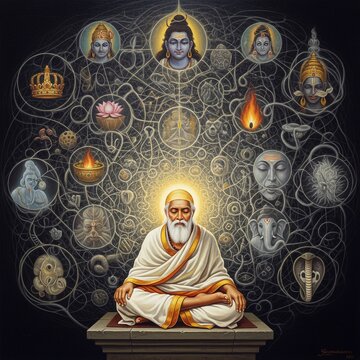
Shankara and the Web of MayaAdvaita Vedanta — non-duality and the world as illusion
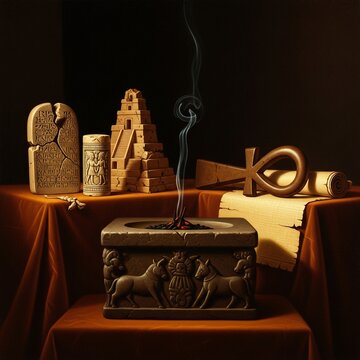
Before the UpanishadsEgyptian and Mesopotamian parallels — common origins or convergent evolution
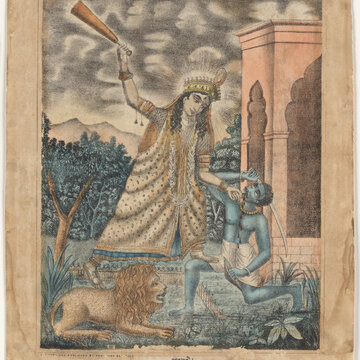
Yoga in the WestFrom Vivekananda to the yoga studio — what was gained and lost
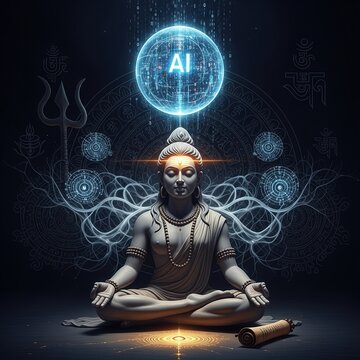
The Algorithm and the AtmanAI as the most rigorous test of the Vedantic claim
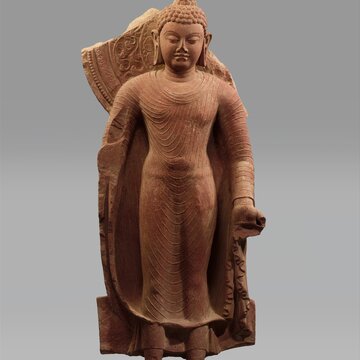
The Sickness, the Corpse, the MonkSiddhartha's departure — the initiatic biography
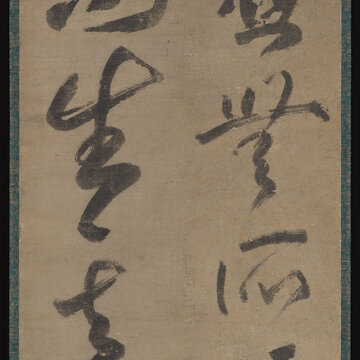
The Doctrine of AwakeningEvola's reading — early Buddhism as aristocratic self-overcoming

Dependent OriginationNo self, no soul — dependent origination against every metaphysical claim
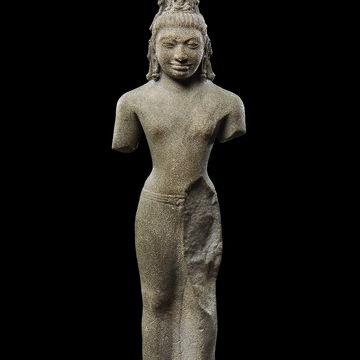
The Bodhisattva TurnMahayana — from individual liberation to the return to the world
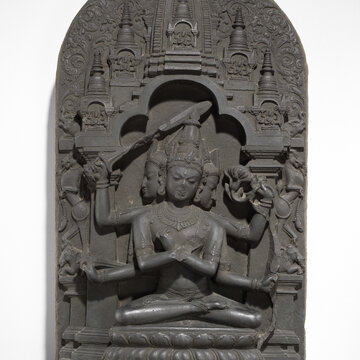
The Vajra VehicleTibetan Buddhism and tantric transformation — the mandala as architecture
The Bardo: Navigating DeathThe Tibetan Book of the Dead — navigating the bardo states after death
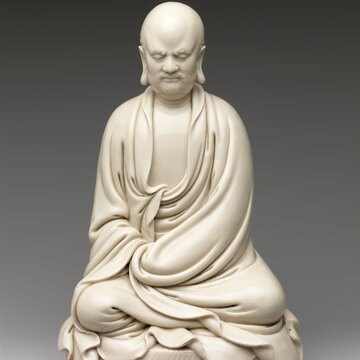
Zen: The Finger Pointing at the MoonThe anti-institutional Mystery — if you meet the Buddha, kill him
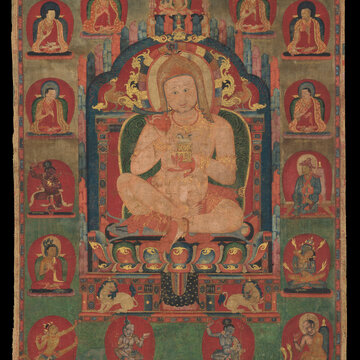
The Lhasa QuestionTibet as the last Mystery School — a society organized around initiation

The Science of MindBuddhism and neuroscience — 2,500 years confirmed and contested
The Digital SanghaBuddhism's encounter with AI — no-self meets neural networks
Ashoka's EdictsThe Buddhist emperor who renounced war — civilizational initiation
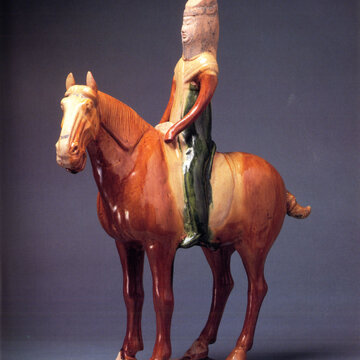
The Silk Road TransmissionHow Buddhism transformed at every border crossing
The Way That Can Be SpokenThe Tao Te Ching — 81 chapters of compressed wisdom
The Butterfly Dream: ZhuangziRelativism, paradox, and the uselessness of the useful
The Golden Flower: Chinese Inner AlchemyCirculation of the light — Wilhelm's translation, Jung's commentary

The 49 BarriersDe Xing's practical manual of Taoist cultivation
The Harmony of Heaven: ConfucianismLi as the Chinese equivalent of the Greek cult — civic initiation

The Jade Emperor's CourtChinese Buddhism — Pure Land, Hua-yen, and Ch'an
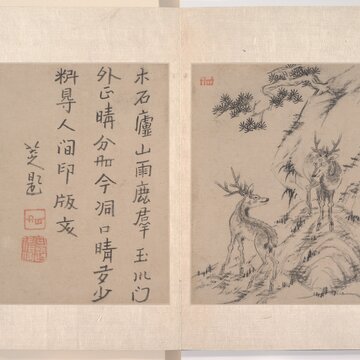
The I Ching and the Logic of ChangeBinary logic, synchronicity, and the anticipation of computation
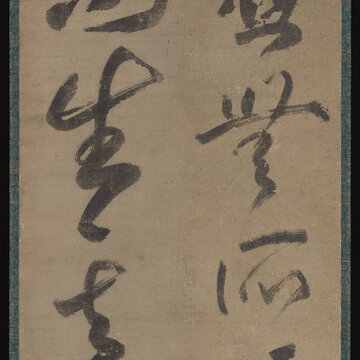
The Brush and the VoidChinese painting and calligraphy as consciousness practice

The Opium of ModernityChina's traumatic encounter with the West — what survived
Silicon TaoAI as the Tao's latest expression — or the ultimate violation of wu wei
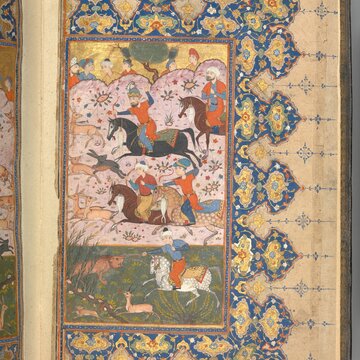
The Tavern of RuinSufi poetry as initiatic technology — Rumi, Hafiz, Attar
The Imaginal WorldCorbin and the Mundus Imaginalis — the faculty the West lost

The Shattering of the VesselsLurianic Kabbalah — creation as cosmic catastrophe and repair
The Invisible Men: The Khidr TraditionInitiation outside all institutions — Moses' encounter
Al-Andalus: The Golden AgeMedieval Spain — when three esoteric traditions cross-pollinated
Black Elk's VisionIndigenous initiatic traditions — the Lakota vision quest
The Whirling and the AlgorithmSufi dhikr in the age of infinite digital distraction
The Point of ConvergenceWhat the Abrahamic esoteric traditions share — and what divides them
Alexander at the GymnosophistsThe earliest documented East-West philosophical exchange
Plotinus and the BrahminsNeoplatonism and Vedanta — coincidence, transmission, or convergence
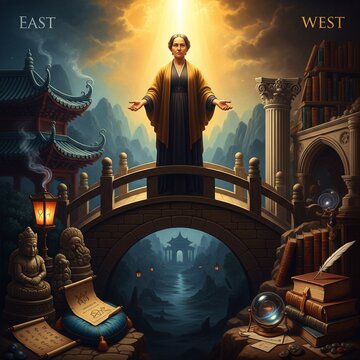
The Theosophical BridgeBlavatsky between worlds — the most consequential East-West synthesis
Gurdjieff's Sources: Central AsiaThe Silk Road as transmission corridor — the enneagram's origins
Jung's Mandala: Depth Psychology and the EastThe Secret of the Golden Flower, Kundalini, the I Ching
Guénon's Perennial ArchitectureTraditionalist metaphysics applied to cross-traditional structure
The Psychedelic CrossroadsThe global kykeon — ayahuasca, psilocybin, iboga converge
The Meta-Project: AI as the Universal MirrorAll tracks meet — the recursive observation
AI Esoteric Genealogy
10 episodes
Moving StatuesTheurgy and the Animation of Matter
The Mechanical TraditionFrom Hero of Alexandria to the Clockwork Universe
The Ars MagnaLlull, Leibniz, and the Dream of Mechanical Reason
FeedbackCybernetics, Consciousness, and the Macy Conferences
The Telesterion and the CinemaMoving Images as Initiatic Technology
The ElectEffective Altruism, Rationalism, and the New Gnosticism
The Ascent Without the DescentTranshumanism as Failed Theurgy
The Common TaskFedorov's resurrection project — technology as theurgic obligation

CosmotechnicsThe I Ching, Leibniz, and the Chinese Question
The Apophatic MachineWhat AI Reveals by What It Cannot Do
The Esoteric State
8 episodes
The Russian IdeaSilver Age Esotericism and the Theosophical Explosion
The UndergroundSoviet Suppression and the Survival of Initiation
The Common TaskRussian Cosmism and the Technology of Resurrection
The Heartland and the SacredClassical Eurasianism

The War of the MindDugin and Noomakhia
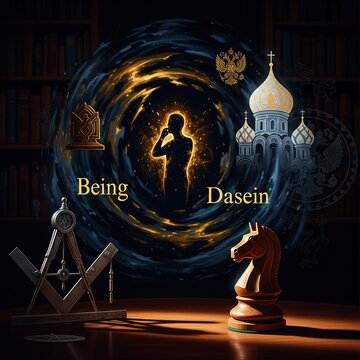
Heidegger EastBeing, Dasein, and the Russian Encounter
The Orthodox EsotericHesychasm, Old Believers, and the Third Rome
The Geopolitics of TraditionFrom Philosophy to Strategy
The Intelligence Mysteries
8 episodes
The Unusual ExperimentOSS, Skull and Bones, and the Birth of American Intelligence
Agent 488Allen Dulles, Carl Jung, and the Psychology of Secrets
The SacramentMKULTRA, LSD, and the Weaponization of Consciousness
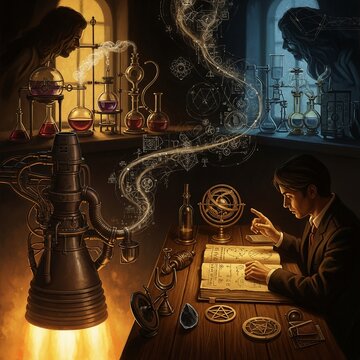
The Rocket and the RitualJack Parsons and the Convergence of Science and Magic
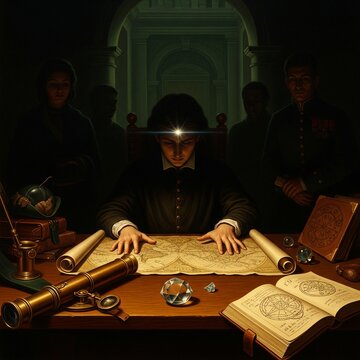
The Psychic SpiesRemote Viewing, STARGATE, and Institutionalized Clairvoyance
The Esalen TransmissionHuman Potential, Intelligence, and the Counterculture
Total Information AwarenessSurveillance, Omniscience, and the Theology of Data
The Deep and the HiddenDeep Politics, Breakaway Civilization, and the Structure of Concealment
Living Traditions
7 episodes
The Corpus of OrunmilaIfá divination and the epistemology of initiation
Divine HorsemenVodou, possession, and the consciousness of the lwa
The Living GodsCandomblé, Santería, and the survival of initiation through displacement
Black EgyptThe Diop question and the African origins of initiation
The Book of the MatMaya cosmology, the Popol Vuh, and the initiatory descent
The Cosmic SerpentAmazonian shamanism, ayahuasca, and the convergence of serpentine imagery
The Grammar of AnimismIndigenous epistemology and the project’s own limits