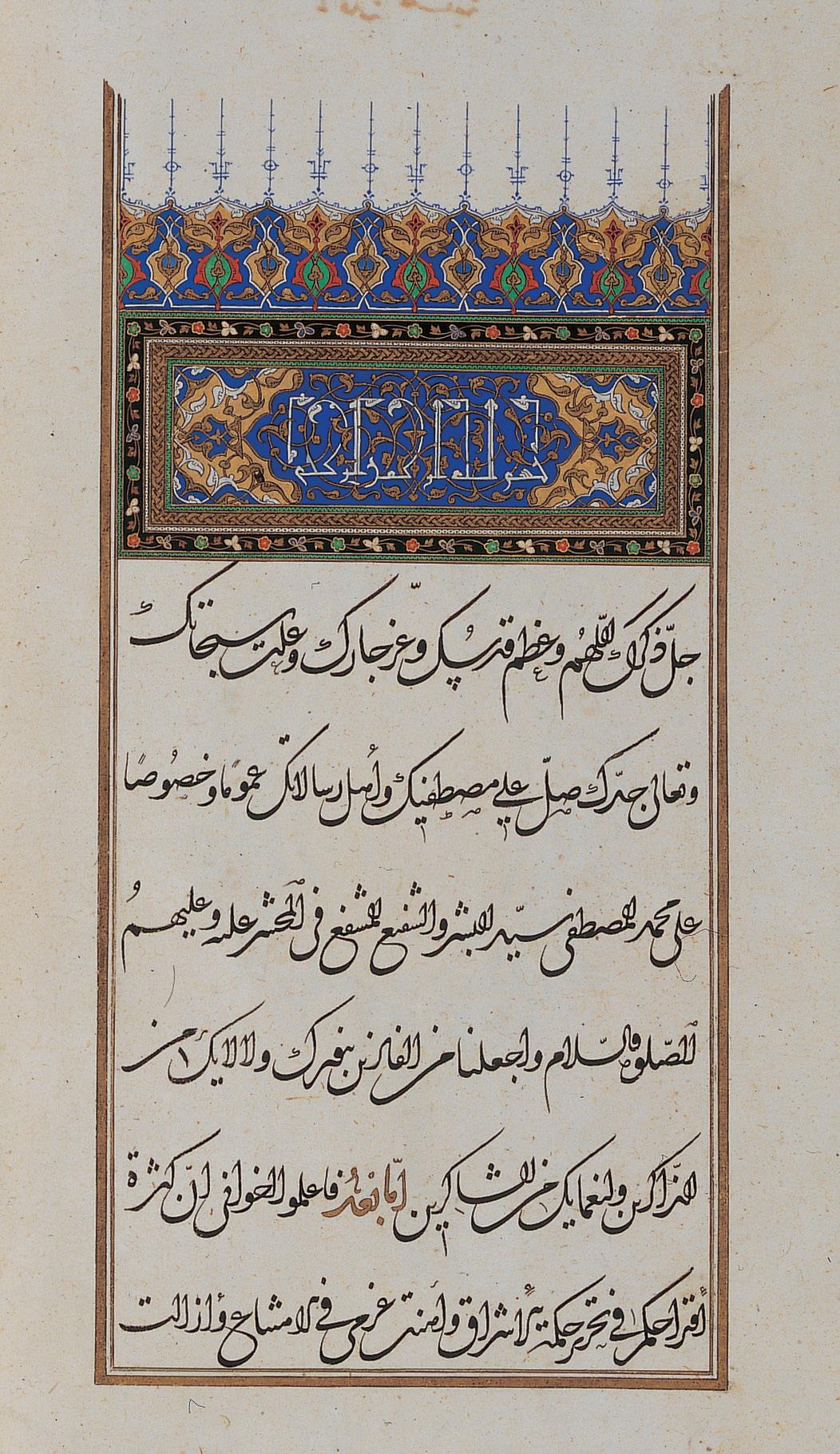
Suhrawardi
Dates: 1154–1191 Domain: Islamic Philosophy, Illuminationism, Sufi Mysticism
Biography
Shihab al-Din Yahya Suhrawardi was born in Suhraward, northwestern Iran, in 1154. He received a thorough philosophical education — including Avicenna's Neoplatonized Aristotelianism — and developed his own synthesis, which he called Hikma al-Ishraq: the Philosophy of Illumination or Oriental Wisdom. He traveled to Anatolia and Syria, arrived at Aleppo at the court of Malik Zahir (son of Saladin), became a court favorite, attracted an enthusiastic following among the young prince's companions, and was put to death in 1191, at thirty-six, on the orders of Saladin himself, who had received a fatwa from jurists in Aleppo condemning Suhrawardi for dangerous innovations. The precise charge — whether philosophical heterodoxy or political conspiracy — remains unclear.
Hikmat al-Ishraq (1186) is his masterwork: a philosophical treatise that begins by disposing of Aristotelian logic as an adequate instrument of philosophical knowledge and then constructs an alternative framework in which light (nur) is the fundamental ontological category. Reality is a hierarchy of lights — the Light of Lights (Nur al-Anwar) at the apex, from which successive lights emanate in a hierarchy that preserves both the Islamic theological commitment to divine unity and the Neoplatonic emanationist structure. The human soul is a light that has fallen into the darkness of matter and that seeks its return through illumination (ishraq) — a mode of knowledge that is participatory rather than inferential.
The alam al-mithal: the world of suspended forms (Imaginal World) — is Suhrawardi's most philosophically original contribution and the concept that Henry Corbin made central to his entire philosophy of religion. It is an intermediate world between the intelligible (purely spiritual, without spatial or temporal determination) and the sensible (material, spatially and temporally located): a world in which spiritual realities take form without the restrictions of matter, where visionary experiences are not subjective projections but genuine perceptions of a real order of being. Corbin's mundus imaginalis is the Latin translation of alam al-mithal, and the concept is the primary framework for understanding the ontological status of visionary and imaginal experience across traditions.
Key Works (in library)
| Work | Year | Relevance |
|---|---|---|
| The Philosophy of Illumination | 1186 | The systematic statement of Ishraq; light metaphysics as initiatory knowledge |
| The Red Intellect | c. 1186 | Visionary narrative; the soul's encounter with the Angel in symbolic-allegorical form |
| Treatise of the Bird | c. 1180s | Shorter mystical narrative in the tradition of Avicenna's visionary recitals |
Role in the Project
Suhrawardi is in the Eastern Traditions track rather than the Underground Stream track because his primary significance is for the Islamic philosophical tradition and for Corbin's concept of the mundus imaginalis — which is the project's bridge concept between Western esotericism and Islamic mystical philosophy. His execution at thirty-six gives the track its most compressed case of the philosophical-political tension that the project identifies throughout the history of initiatic knowledge: the tradition that exceeds institutional religious frameworks is the tradition that gets suppressed.
His connection to Corbin (FIG-0009) is structural: the project's entire concept of the imaginal world derives from Corbin's lifelong engagement with Suhrawardi, and this entry points toward that debt explicitly.
Key Ideas
- Illuminationism (Ishraq): Philosophy as the illumination of the mind by the Light of Lights — not inferential reasoning but participatory reception of light-knowledge that transforms the knower.
- The World of Suspended Forms (Alam al-Mithal): The intermediate world between the intelligible and the sensible — where spiritual realities take form without material determination. Corbin's mundus imaginalis. The ontological location of visionary experience.
- Light Hierarchy: Reality as a cascade of lights from the Light of Lights through the archangels and celestial intellects to the human soul — with darkness (matter) as the absence of light rather than a positive principle.
- The Oriental Wisdom: Suhrawardi's claim to be reviving a pre-Islamic wisdom tradition that united Platonic, Zoroastrian, and Hermetic sources — the prisca theologia of the Islamic world.
Connections
- The Corbin connection: FIG-0009 Corbin (Corbin's mundus imaginalis is Suhrawardi's alam al-mithal in philosophical translation; this is the most important connection in the KB for this entry)
- Islamic mystical tradition: FIG-0042 Ibn Arabi (roughly contemporary; different approaches to the same Islamic mystical synthesis), FIG-0041 Rumi (the Sufi poetic tradition that shares Suhrawardi's light imagery)
- CON-0012 Mundus Imaginalis (the concept entry that Suhrawardi's philosophy grounds)
Agent Research Notes
[AGENT: perplexity | DATE: 2026-03-22] Suhrawardi's execution date is 1191 CE (587 AH). The exact circumstances remain debated; the most detailed account is in Shahrzuri's Nuzhat al-Arwah (13th century). His collected works were published in four volumes by Seyyed Hossein Nasr et al. in Tehran (1976–1977). Henry Corbin's Suhrawardi d'Alep, fondateur de la doctrine illuminative (1939) began his lifelong engagement; the major work is En Islam iranien (1971–1972), 4 vols. John Walbridge's The Leaven of the Ancients: Suhrawardi and the Heritage of the Greeks (SUNY, 2000) is a useful English scholarly source.