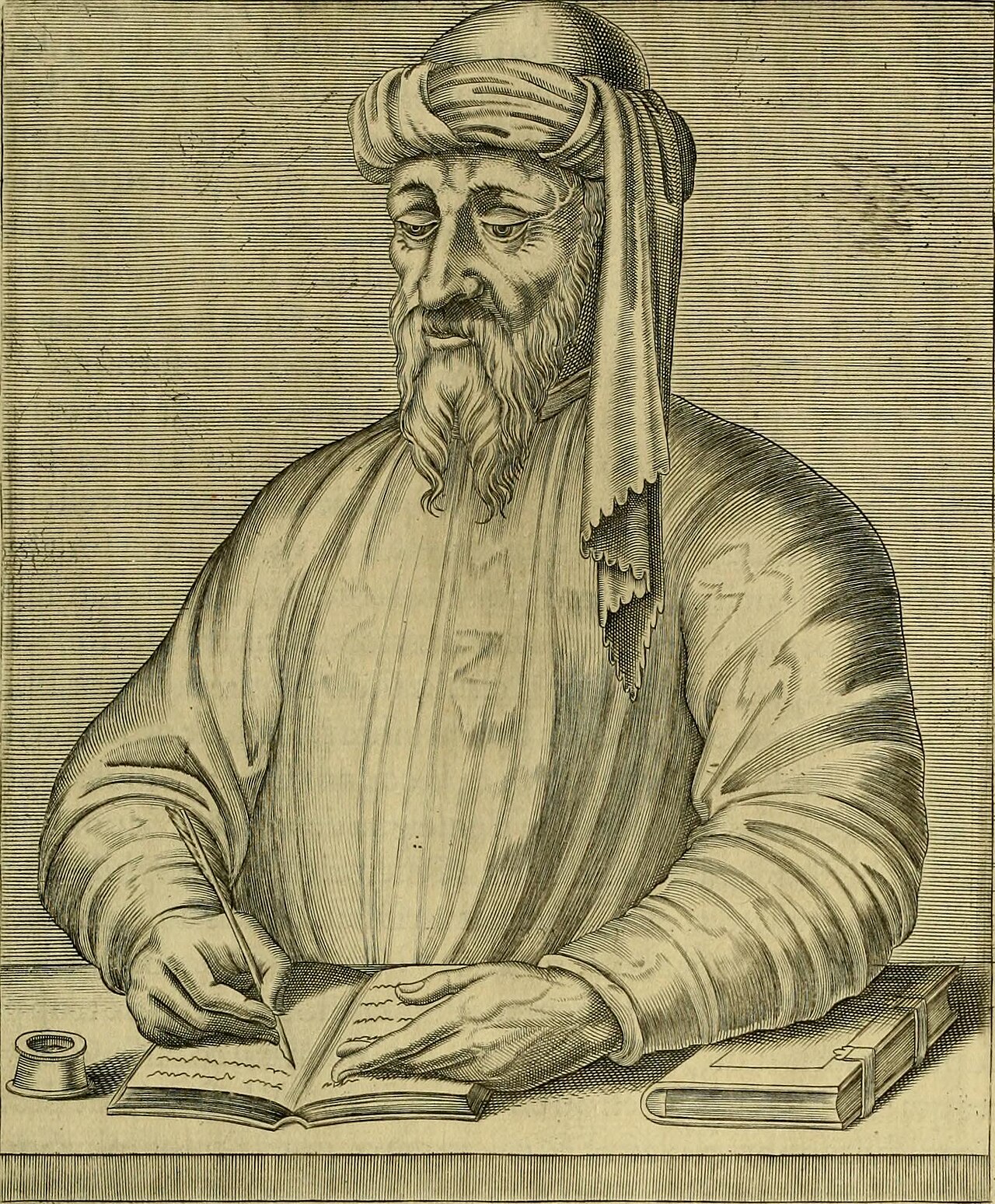
Porphyry
Dates: c. 234–c. 305 CE Domain: Neoplatonism, Philosophy
Biography
Porphyry of Tyre was born around 234 CE in the Phoenician city of Tyre (or possibly Batanaea in Syria). He studied in Athens with Longinus before joining Plotinus's circle in Rome around 263 CE. The relationship was close but not without tension: Porphyry suffered a severe depressive crisis during his time with Plotinus and was sent to Sicily to recover. After Plotinus's death in 270, Porphyry edited the master's scattered writings into the six groups of nine (Enneads) that have preserved them for posterity. The editorial arrangement is thematic rather than chronological, and Porphyry's decisions about ordering shaped how all subsequent readers encountered Plotinus.
Porphyry was a learned and versatile writer. He produced works on logic (the Isagoge, which became the standard introduction to Aristotelian logic throughout the medieval period), against Christianity (Against the Christians, in fifteen books, all destroyed by imperial order), on vegetarianism (On Abstinence from Animal Food), and on Homer's allegorical meanings (On the Cave of the Nymphs).
His Letter to Anebo questioned the rational basis for theurgic practice: if the gods are beyond passion and need, why do rituals work? This letter provoked Iamblichus's De Mysteriis (LIB-0299), which became the foundational text of Neoplatonic theurgy.
Key Works
The Life of Plotinus (prefixed to the Enneads) is the primary biographical source for Plotinus. The Isagoge (Introduction to Aristotle's Categories) was the most widely studied logical text of the medieval period: virtually every student of philosophy in the Latin West and the Arabic world began with Porphyry. On the Cave of the Nymphs reads the cave in Odyssey 13 as an allegory of the soul's descent into matter and return, demonstrating Neoplatonic hermeneutics in action.
Role in the Project
Porphyry stands at the critical junction between Plotinus's purely intellectual mysticism and Iamblichus's theurgic turn. His edition of the Enneads preserves Plotinus for posterity; his arguments against theurgy provoke Iamblichus's response in De Mysteriis, one of the central texts. Porphyry represents the position that contemplation alone suffices — the position the project consistently tests against the theurgic alternative.